

 www.homedepot.com ```html
 Introduction: Building a DIY Workbench with Integrated Dust Collection
Are you tired of sawdust covering every surface in your workshop? This step-by-step guide will show you how to build a robust workbench with a built-in dust collection system. This project requires some woodworking experience and access to basic power tools. The finished workbench will provide a stable work surface and help keep your workspace clean and efficient.
Materials You'll Need:
- Lumber (2x4s, plywood or MDF for the top and shelves, 4x4s for legs) Determine the dimensions based on your desired workbench size.
- Dust collection hose (4-inch is standard)
- Dust collection fittings (couplers, elbows, blast gates as needed)
- Plywood or MDF for the dust collection box/enclosure
- Wood screws (various sizes)
- Wood glue
- Sandpaper (various grits)
- Finish (polyurethane, varnish, or paint)
Tools You'll Need:
- Table saw or circular saw
- Miter saw
- Drill/Driver
- Screws
- Pocket hole jig (optional, but recommended for strong joints)
- Sander
- Measuring tape
- Pencil
- Safety glasses
- Hearing protection
Step 1: Planning and Design
Before you start cutting wood, create a detailed plan for your workbench. Consider the following: Overall Dimensions: How wide, deep, and tall do you want the workbench to be? Dust Collection System: Where will the dust collection port be located? How will the dust be channeled? Consider including multiple collection points. Storage: Do you want shelves, drawers, or a combination? Top Material: Plywood or MDF? Thickness? Draw a sketch or use a CAD program to visualize your design. This will help you determine the amount of lumber you need and prevent costly mistakes.
Step 2: Building the Frame
Cut the 2x4s according to your plan to create the frame for the workbench. Use screws and wood glue to assemble the frame. For added strength, consider using pocket hole joinery. Ensure the frame is square and level. Attach the 4x4 legs to the corners of the frame, using screws and glue for a secure connection. Reinforce the joints with additional bracing if necessary.
Step 3: Constructing the Workbench Top
Cut the plywood or MDF to the desired size for the workbench top. Apply wood glue to the top of the frame and carefully position the top. Secure the top to the frame using screws. If you're using multiple layers of plywood for the top, glue and screw them together for added strength and stability. Sand the top smooth and fill any gaps or imperfections with wood filler.
Step 4: Designing and Implementing the Dust Collection System
This is the heart of your project. Plan the path of your dust collection hose carefully. Create an enclosed space or a boxed section underneath the bench top to contain the dust collection components. Install a dust port in the top of the workbench where you will be doing most of your sanding or routing. Connect this dust port to the main dust collection hose using fittings, elbows, and blast gates. Ensure the hose runs to a dust collector or shop vacuum.
Step 5: Adding Shelves and Storage (Optional)
If you included shelves or drawers in your design, now is the time to build and install them. Cut the plywood or MDF to the appropriate sizes and assemble the shelves using screws and glue. Attach the shelves to the frame of the workbench. If you are adding drawers, build the drawer boxes and install drawer slides.
Step 6: Sanding and Finishing
Sand the entire workbench, starting with a coarse grit sandpaper and gradually moving to finer grits. This will create a smooth surface for finishing. Apply your chosen finish (polyurethane, varnish, or paint) to the workbench. Follow the manufacturer's instructions for application and drying times. Apply multiple coats of finish for added durability.
Step 7: Final Assembly and Testing
Once the finish is dry, inspect the workbench for any imperfections. Make sure all screws are tightened and all joints are secure. Connect your dust collector or shop vacuum to the dust collection port and test the system. Ensure that the dust collection system is effectively capturing dust. Add any final touches, such as rubber feet to the legs to prevent slipping.
Conclusion: Enjoy Your New Dust-Collecting Workbench!
Congratulations! You have successfully built a DIY workbench with integrated dust collection. This workbench will provide a stable and clean workspace for your woodworking projects. Regularly empty your dust collector and inspect the dust collection system to ensure it is functioning properly. With proper care, this workbench will serve you well for years to come. Remember to always wear appropriate safety gear when working with power tools.
``` 55" Workbench With Pegboard And Drawers, Dextra Height Adjustable Garage Work Bench With Power
 www.walmart.com
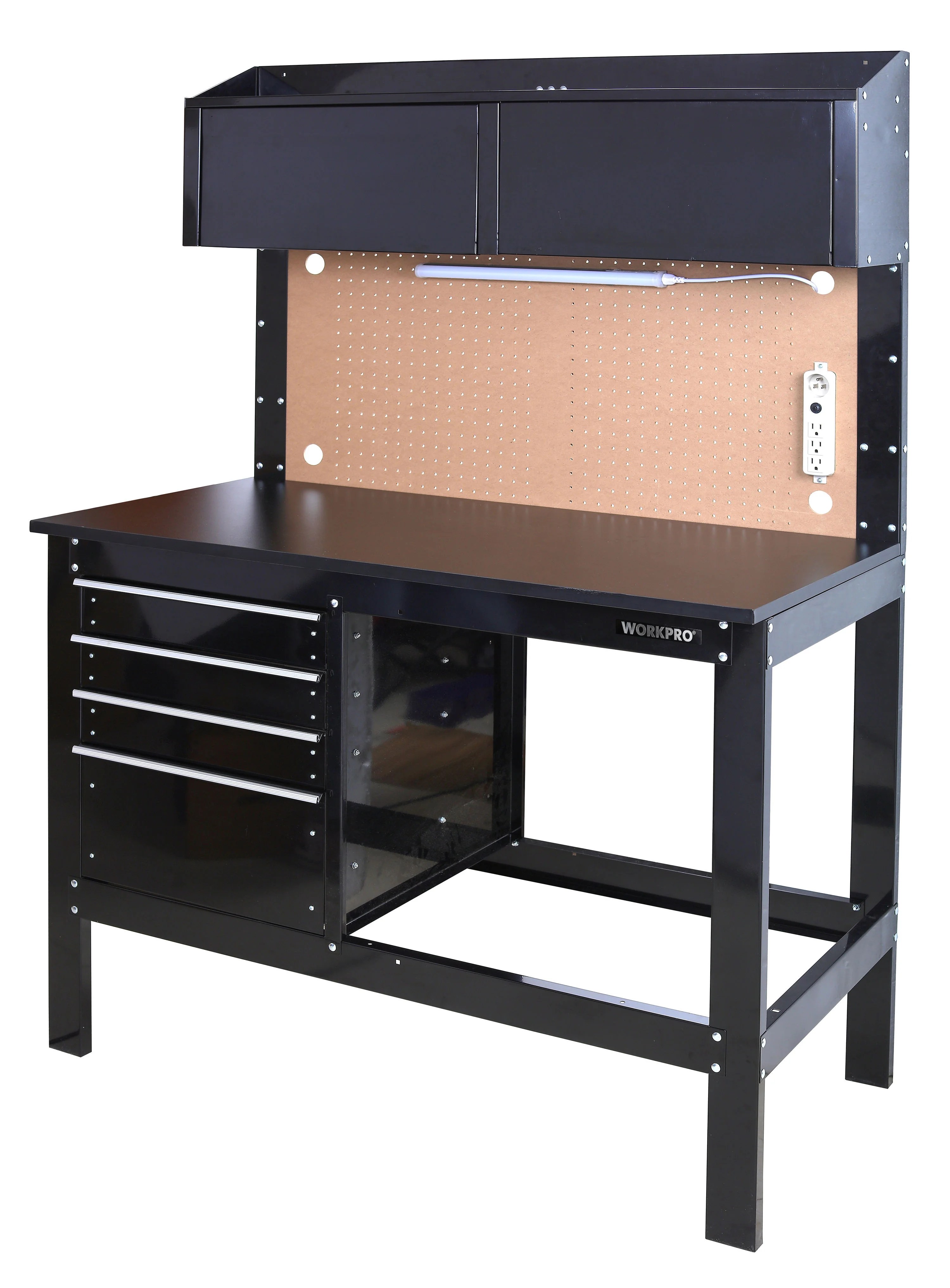
 Workpro 2-in-1 48in Workbench And Cabinet Combo With Work Light
 www.walmart.com
 Homak Garage Series 5 Ft. Industrial Steel Workbench With Cabinet Storage-gs00659031
www.homedepot.com


0 komentar:
Posting Komentar