Jumat, 31 Oktober 2025

Workbench drawers woodgears.ca

Opening: A Workbench to Conquer Your Projects Ready to take your DIY projects to the next level? A sturdy workbench is essential, and one with built-in lockable drawers adds security and organization to your workspace. This post guides you through building a 63-inch workbench with lockable drawers, perfect for the serious hobbyist or professional. Get ready to roll up your sleeves and create a workspace you'll be proud of!
Step 1: Planning and Materials Before you even touch a piece of wood, careful planning is crucial.
  • Design: Sketch out your workbench design. Decide on the dimensions (63 inches wide is the goal). Consider the height you prefer for comfortable working. Determine the number and size of drawers you want.
  • Material List: Common materials include 2x4 lumber for the frame, plywood (3/4 inch) for the top and drawer boxes, and drawer slides. Don't forget screws, nails, wood glue, sandpaper, and locking hardware for the drawers.
  • Tools: You'll need a circular saw or table saw, drill, screwdriver, measuring tape, level, square, sander, and clamps. A miter saw simplifies cutting angles.
Step 2: Building the Frame The frame provides the workbench's structural integrity.
  • Cut the Frame Pieces: Accurately cut the 2x4s according to your design. This includes the legs, top supports, and bottom supports.
  • Assemble the Frame: Use screws and wood glue to assemble the frame. Ensure all corners are square and that the frame is level. Clamps will help hold the pieces together while the glue dries. Pay attention to the locations where drawer supports will be needed within the frame.
  • Add Drawer Supports: Install additional 2x4s or plywood supports within the frame where the drawer slides will be mounted. These supports need to be perfectly level and evenly spaced to ensure smooth drawer operation.
Step 3: Constructing the Workbench Top The top is your primary working surface.
  • Cut the Plywood: Cut the plywood to the desired dimensions for your workbench top (63 inches wide, depth according to your design). You might choose to laminate two layers of 3/4-inch plywood for added thickness and durability.
  • Attach the Top to the Frame: Use screws and wood glue to securely attach the plywood top to the frame. Ensure the top is flush with the frame and evenly supported. Clamps are essential here.
  • Optional: Edge Banding: Consider applying edge banding to the exposed edges of the plywood top for a cleaner, more professional look. This can be iron-on veneer or solid wood edging.
Step 4: Building the Drawers The drawers provide storage for tools and supplies.
  • Cut the Drawer Pieces: Cut the plywood pieces for the drawer boxes. You'll need sides, fronts, backs, and bottoms for each drawer.
  • Assemble the Drawer Boxes: Assemble the drawer boxes using screws, nails, and wood glue. Ensure the corners are square.
  • Install Drawer Slides: Carefully install the drawer slides on both the drawer boxes and the drawer supports within the workbench frame. Accurate placement is crucial for smooth drawer operation.
  • Install Drawer Fronts: Attach the drawer fronts to the drawer boxes. Ensure they are aligned and securely fastened.
Step 5: Adding the Locking Mechanism Security is paramount.
  • Choose a Locking System: Select a suitable locking mechanism for your drawers. Options include keyed locks, combination locks, or cam locks.
  • Install the Locks: Follow the manufacturer's instructions to install the locks on the drawer fronts.
  • Test the Locking System: Test the locking system thoroughly to ensure it functions correctly and securely locks the drawers. Adjust as needed.
Step 6: Finishing Touches The final steps elevate the workbench.
  • Sanding: Sand all surfaces of the workbench to smooth out any rough edges or imperfections.
  • Finishing: Apply a finish to protect the wood and enhance its appearance. Options include paint, stain, varnish, or polyurethane.
  • Hardware: Install drawer pulls or handles.
Conclusion: Your Customized Workbench is Ready! Congratulations! You've built a robust and secure workbench with lockable drawers. Now you have a dedicated space to tackle all your DIY projects with organization and peace of mind. Enjoy your new workspace!

Workbench Drawers

Workbench drawers woodgears.ca

Cabinet Workbench

Cabinet workbench www.championcommercialproducts.ca

Cabinet Workbench

Cabinet workbench www.championcommercialproducts.ca
Read More..

Kamis, 30 Oktober 2025

Hanging plant shelf artfulroost.com

Opening: Bringing Green Indoors with a DIY Hanging Plant Holder with Shelf Want to add a touch of nature to your home without taking up precious floor space? A hanging plant holder with a shelf is the perfect solution! This project combines the beauty of hanging plants with the functionality of a small shelf for added display or storage. This guide will walk you through the process step-by-step, making it easy for beginners to create their own stylish and functional piece.
Materials and Tools You'll Need: Before you begin, gather the necessary materials and tools. This will ensure a smooth and efficient building process.
  • Wood for the Shelf: Choose a sturdy wood like pine, cedar, or oak. The dimensions will depend on your desired shelf size (e.g., 12 inches wide x 6 inches deep x 1 inch thick).
  • Rope or Cord: Opt for a strong and durable rope like jute, cotton, or nylon. The length will depend on your desired hanging height (e.g., 10-15 feet total).
  • Metal Rings or Carabiners: These will be used to hang the plant holder from the ceiling or a hook. Choose a size that complements the rope thickness.
  • Drill with Drill Bits: You'll need drill bits suitable for wood and potentially for installing ceiling hooks.
  • Sandpaper: For smoothing any rough edges of the wood.
  • Wood Stain or Paint (Optional): To customize the look of your shelf.
  • Measuring Tape or Ruler: For accurate measurements.
  • Pencil: For marking measurements.
  • Scissors or Utility Knife: For cutting the rope.
  • Lighter (Optional): To seal the ends of synthetic rope to prevent fraying.
  • Safety Glasses and Dust Mask: For safety during drilling and sanding.
Step 1: Preparing the Wooden Shelf First, prepare the wooden shelf to your desired specifications.
  • Cut the Wood: If you don't have a pre-cut piece of wood, use a saw to cut it to the dimensions you want.
  • Sand the Edges: Use sandpaper to smooth all the edges and surfaces of the wood. This will prevent splinters and create a clean finish.
  • Stain or Paint (Optional): If you want to customize the look of your shelf, apply wood stain or paint according to the product instructions. Let it dry completely before proceeding.
  • Step 2: Drilling Holes for the Rope Next, you'll drill holes in the corners of the shelf to thread the rope through.
  • Mark the Hole Locations: Use a ruler and pencil to mark the locations for the holes. They should be placed about 1-2 inches from each corner. Make sure the holes on each end are evenly spaced.
  • Drill the Holes: Using a drill bit slightly larger than the diameter of your rope, carefully drill holes at each marked location. Be sure to drill straight through the wood.
  • Step 3: Attaching the Rope Now you will thread the rope through the holes in the shelf.
  • Cut the Rope: Cut the rope into four equal lengths. The length of each rope will determine how low the shelf hangs. Be generous with the length, as you can always trim it later.
  • Thread the Rope: Take one length of rope and thread it through one of the holes in the shelf, from the bottom up. Repeat this for all four holes.
  • Secure the Rope Ends: Tie a knot at the end of each rope beneath the shelf to prevent it from slipping through the hole. A figure-eight knot or overhand knot works well. For synthetic ropes, you can carefully melt the ends with a lighter to prevent fraying (be very careful and use in a well-ventilated area).
  • Step 4: Creating the Hanging Point You will now connect the ropes to create a single hanging point.
  • Gather the Ropes: Carefully gather the four ropes together above the shelf.
  • Adjust the Shelf Level: Make sure the shelf is hanging level before proceeding. Adjust the knots underneath the shelf as needed.
  • Tie the Ropes Together: Tie all four ropes together in a secure knot at the desired hanging height above the shelf. A bowline knot or a square knot with added safety knots is a good choice.
  • Attach the Ring or Carabiner: Attach the metal ring or carabiner to the knot. This will be used to hang the entire plant holder.
  • Step 5: Hanging and Testing Finally, you will hang your new plant holder and make sure it is sturdy.
  • Install a Hook (if needed): If you don't already have a hook, install a sturdy hook in the ceiling or wall where you want to hang the plant holder. Make sure the hook is rated to hold the weight of the shelf, plant, and any other items you plan to place on it.
  • Hang the Plant Holder: Carefully hang the plant holder from the hook using the metal ring or carabiner.
  • Test the Stability: Gently test the stability of the plant holder by placing a lightweight object on the shelf. Make sure it is hanging level and securely.
  • Conclusion: Enjoy Your New Hanging Plant Holder! Congratulations! You've successfully created your own hanging plant holder with a shelf. Now you can add your favorite plants and decorative items to create a stylish and functional display. Enjoy the added touch of nature and personality that your new creation brings to your home. Remember to check the rope and knots periodically to ensure they are still secure.

    Hanging Plant Shelf

    Hanging plant shelf artfulroost.com

    Hanging Plant Pots-hanging Plant Holder Hanging Plant Shelf In 2024

    Hanging plant pots-hanging plant holder hanging plant shelf in 2024 www.pinterest.com

    Plant Holder Shelf Hanging Plant Shelf Wooden Plant Stand Indoor Plant Stand Displaying Plant

    Plant holder shelf hanging plant shelf wooden plant stand indoor plant stand displaying plant www.walmart.com
    Read More..

    Rabu, 29 Oktober 2025

    Premium photo www.freepik.com

    Opening: Embrace DIY Nightstand Creation! Ready to add a personal touch to your bedroom? Building your own nightstand is a rewarding project that allows you to customize it to perfectly match your style and needs. This step-by-step guide will walk you through the process, from gathering materials to putting the finishing touches on your handcrafted nightstand. Let's get started!
    Step 1: Planning and Design Before you pick up any tools, spend some time planning your nightstand. Consider these factors:
  • Size: Measure the available space next to your bed to determine the ideal dimensions.
  • Style: Do you prefer a modern, rustic, or classic design? Browse online for inspiration.
  • Features: Will it have drawers, shelves, or a combination of both? Think about storage needs.
  • Wood Choice: Pine is affordable and easy to work with for beginners. Hardwoods like oak or maple offer greater durability and a more refined look.
  • Once you have a clear idea, sketch out your design and create a cutting list. This list will specify the dimensions of each piece you need.
    Step 2: Gathering Materials and Tools Here's a list of materials and tools you'll likely need:
  • Wood: Based on your cutting list.
  • Wood Glue: For strong and lasting joints.
  • Screws or Nails: To reinforce joints.
  • Sandpaper: Assorted grits for smoothing surfaces.
  • Wood Finish: Stain, paint, varnish, or polyurethane.
  • Measuring Tape and Pencil: For accurate measurements.
  • Saw: Circular saw, jigsaw, or hand saw for cutting wood.
  • Drill/Driver: For pre-drilling and driving screws.
  • Clamps: To hold pieces together while glue dries.
  • Safety Glasses and Ear Protection: Essential for safety.
  • Optional: Wood filler, drawer slides, knobs/pulls.
  • Step 3: Cutting the Wood Using your cutting list as a guide, carefully measure and cut each piece of wood. Double-check your measurements before cutting to avoid mistakes. If you're using a power saw, always wear safety glasses and ear protection. Ensure your cuts are straight and clean.
    Step 4: Assembling the Frame Begin by assembling the main frame of your nightstand. This usually involves joining the sides, top, and bottom pieces. Apply wood glue to the edges of the joining pieces and clamp them together. Use screws or nails to reinforce the joints after the glue has been applied, carefully pre-drilling pilot holes to prevent the wood from splitting. Ensure the frame is square before the glue dries.
    Step 5: Adding Shelves or Drawers If your design includes shelves, cut the shelf pieces to the correct size and attach them to the frame using glue and screws or nails. For drawers, assemble the drawer boxes using similar techniques. Install drawer slides on the frame and drawer boxes, following the manufacturer's instructions.
    Step 6: Sanding and Finishing Once the nightstand is fully assembled and the glue has dried, it's time to sand all surfaces. Start with a coarser grit sandpaper (e.g., 80-grit) to remove any imperfections and then move to finer grits (e.g., 120-grit, 220-grit) to create a smooth surface. Wipe away any sanding dust with a clean cloth. Apply your chosen wood finish according to the manufacturer's instructions. Multiple coats may be needed for optimal protection and appearance, allowing each coat to dry completely before applying the next.
    Step 7: Adding Hardware Install any knobs, pulls, or other hardware according to your design. Make sure the hardware is securely attached.
    Conclusion: Enjoy Your Handcrafted Nightstand! Congratulations! You've successfully built your own nightstand. Now, step back and admire your handiwork. Place it next to your bed, add your favorite books, a lamp, and anything else you need for a cozy and functional bedside setup. Your personalized nightstand is a testament to your skills and creativity.

    Premium Photo

    Premium photo www.freepik.com

    Woodworking Furniture, Woodworking Table, Woodworking

    Woodworking furniture, woodworking table, woodworking www.pinterest.com

    People At Woodworking Factory Stock Image

    People at woodworking factory stock image www.dreamstime.com
    Read More..

    Selasa, 28 Oktober 2025

    Child and youth plan yoursay.bmcc.nsw.gov.au

    Introduction: The Ultimate Toy Storage Solution
    Tired of tripping over toys? This DIY toy storage bench with drawers and a cushion offers the perfect blend of functionality and comfort. It's a great weekend project that will declutter your living space and provide a cozy seating area for your little ones. Let's get started!
    Step 1: Planning and Gathering Materials
    Before you begin, it's crucial to plan the dimensions of your bench and drawers. Consider the available space and the amount of storage you need. Here's a list of materials you'll likely need:
    • Wood: Plywood or MDF for the bench frame, drawer boxes, and drawer fronts.
    • Fasteners: Screws, nails, wood glue.
    • Hardware: Drawer slides, hinges (if you want a hinged lid), handles or knobs for the drawers.
    • Cushion: Foam padding and fabric for the cushion.
    • Tools: Saw, drill, measuring tape, sandpaper, paint or stain, paintbrush, staple gun.
    Step 2: Building the Bench Frame
    Cut the wood according to your planned dimensions for the bench sides, top, bottom, and back. Assemble the frame using screws and wood glue for a sturdy structure. Ensure all corners are square. Reinforce the joints with corner braces if necessary. Sand all surfaces smooth to prevent splinters.
    Step 3: Constructing the Drawer Boxes
    Cut the wood pieces for the drawer sides, front, back, and bottom. Assemble the drawer boxes using screws, nails, or dovetail joints for added strength. Ensure the drawer bottoms are securely attached. Sand the drawer boxes smooth.
    Step 4: Installing Drawer Slides
    Attach the drawer slides to the inside of the bench frame and the sides of the drawer boxes according to the manufacturer's instructions. Ensure the slides are aligned correctly for smooth drawer operation. Test the drawers by sliding them in and out to confirm they move freely.
    Step 5: Creating the Drawer Fronts
    Cut the wood for the drawer fronts to the desired size. Attach the drawer fronts to the drawer boxes using screws and wood glue. Ensure the drawer fronts are aligned and flush with the bench frame. Fill any screw holes with wood filler and sand smooth.
    Step 6: Adding the Cushion
    Cut the foam padding to the size of the bench top. Wrap the foam with fabric, pulling it taut and stapling it to the underside of the bench top. Ensure the fabric is smooth and wrinkle-free. Secure the cushion to the bench top using screws or Velcro strips for easy removal.
    Step 7: Finishing Touches
    Apply paint or stain to the bench frame, drawer boxes, and drawer fronts. Let the finish dry completely according to the manufacturer's instructions. Attach drawer handles or knobs. Add any decorative elements you desire, such as stencils or trim.
    Conclusion: Enjoy Your New Toy Storage Bench!
    Congratulations! You've successfully built a DIY toy storage bench with drawers and a cushion. This practical and stylish piece of furniture will help keep your home organized and provide a comfortable seating area for your children. Enjoy the fruits of your labor!

    Two Kids Laughing And Having Fun Outdoors Stock Image

    Two kids laughing and having fun outdoors stock image www.dreamstime.com

    Child And Youth Plan

    Child and youth plan yoursay.bmcc.nsw.gov.au

    Parents Think Their Kids Are The Most Fun At The Age Of 5

    Parents think their kids are the most fun at the age of 5 abc7.com
    Read More..

    Senin, 27 Oktober 2025

    Outdoor bars for sale www.backyarddiscovery.com

    Here's a step-by-step guide on how to build your own outdoor bar:
    Opening: Planning Your Backyard Oasis
    Before you start hammering and sawing, thoughtful planning is crucial. Consider the following:
  • Location: Choose a spot that's accessible, relatively level, and ideally sheltered from harsh weather. Think about proximity to your house and existing outdoor features.
  • Size & Layout: Determine the bar's dimensions based on your available space and intended use. Will it be a simple serving counter, or a full-fledged bar with seating? Sketch out a rough design.
  • Materials: Select durable, weather-resistant materials like treated lumber, cedar, or composite decking. Consider incorporating stone or brick for added visual appeal.
  • Features: Do you want a built-in sink, refrigerator, or grill? Plan for plumbing and electrical needs accordingly.
  • Step 1: Building the Frame
    The frame is the foundation of your bar.
  • Cut the Lumber: Following your plan, cut the lumber for the frame's base, upright supports, and countertop supports.
  • Assemble the Base: Construct the base frame using screws or nails and corner braces for added strength. Ensure it's square and level.
  • Attach the Uprights: Secure the upright supports to the base frame. These will support the countertop. Use screws and consider adding diagonal bracing for extra stability.
  • Countertop Supports: Install the horizontal supports that will hold the countertop. Space them appropriately based on the countertop material you're using.
  • Step 2: Installing the Countertop
    The countertop is the focal point of your bar.
  • Cut the Countertop Material: Cut your chosen countertop material (wood, concrete, tile, etc.) to the desired size and shape.
  • Secure the Countertop: Attach the countertop to the frame using construction adhesive and screws. Be sure to countersink the screws for a flush finish.
  • Finishing Touches: Sand and seal the countertop to protect it from the elements. Apply a sealant specifically designed for outdoor use. If you're using tile or concrete, grout or seal it appropriately.
  • Step 3: Adding the Siding & Finishing Details
    Give your bar its personality with siding and other details.
  • Install the Siding: Attach siding panels to the frame, covering the exposed structure. Use exterior-grade screws or nails. Overlap the panels according to the manufacturer's instructions.
  • Add Trim: Install trim around the edges of the bar to cover any exposed edges and give it a finished look.
  • Customize: Add personal touches like a bottle opener, towel rack, or decorative lighting. Consider building shelves or cabinets for storage.
  • Step 4: Plumbing and Electrical (Optional)
    If you're adding a sink or appliances, handle these steps carefully.
  • Plumbing: If installing a sink, connect the plumbing for water supply and drainage. Ensure proper connections to avoid leaks. Consider a greywater system.
  • Electrical: If installing lights or appliances, run electrical wiring to the bar. Use weatherproof outlets and switches. Consult with a licensed electrician if you're not comfortable working with electricity.
  • Conclusion: Enjoy Your New Outdoor Bar!
    Congratulations! You've built your own outdoor bar. Take a step back, admire your handiwork, and invite some friends over to enjoy a refreshing drink in your new backyard oasis. Remember to regularly maintain your bar to keep it looking its best for years to come. Clean the countertop, re-seal the wood, and inspect the frame for any signs of damage. Cheers!

    Outdoor Bars For Sale

    Outdoor bars for sale www.backyarddiscovery.com

    Backyard Grill And Bar

    Backyard grill and bar medesig.blogspot.com

    12x14 Backyard Bar Plans, Yardbar Plans, Outdoor Bar Plan, Diy Yardbar, Wooden Bar Plan

    12x14 backyard bar plans, yardbar plans, outdoor bar plan, diy yardbar, wooden bar plan www.pinterest.com
    Read More..

    Minggu, 26 Oktober 2025

    Homak garage series 5 ft. industrial steel workbench with cabinet storage-gs00659031 www.homedepot.com

    ```html
    Introduction: Building a DIY Workbench with Integrated Dust Collection
    Are you tired of sawdust covering every surface in your workshop? This step-by-step guide will show you how to build a robust workbench with a built-in dust collection system. This project requires some woodworking experience and access to basic power tools. The finished workbench will provide a stable work surface and help keep your workspace clean and efficient.
    Materials You'll Need:
    • Lumber (2x4s, plywood or MDF for the top and shelves, 4x4s for legs) Determine the dimensions based on your desired workbench size.
    • Dust collection hose (4-inch is standard)
    • Dust collection fittings (couplers, elbows, blast gates as needed)
    • Plywood or MDF for the dust collection box/enclosure
    • Wood screws (various sizes)
    • Wood glue
    • Sandpaper (various grits)
    • Finish (polyurethane, varnish, or paint)
    Tools You'll Need:
    • Table saw or circular saw
    • Miter saw
    • Drill/Driver
    • Screws
    • Pocket hole jig (optional, but recommended for strong joints)
    • Sander
    • Measuring tape
    • Pencil
    • Safety glasses
    • Hearing protection
    Step 1: Planning and Design
    Before you start cutting wood, create a detailed plan for your workbench. Consider the following:
  • Overall Dimensions: How wide, deep, and tall do you want the workbench to be?
  • Dust Collection System: Where will the dust collection port be located? How will the dust be channeled? Consider including multiple collection points.
  • Storage: Do you want shelves, drawers, or a combination?
  • Top Material: Plywood or MDF? Thickness?
  • Draw a sketch or use a CAD program to visualize your design. This will help you determine the amount of lumber you need and prevent costly mistakes.
    Step 2: Building the Frame
    Cut the 2x4s according to your plan to create the frame for the workbench. Use screws and wood glue to assemble the frame. For added strength, consider using pocket hole joinery. Ensure the frame is square and level. Attach the 4x4 legs to the corners of the frame, using screws and glue for a secure connection. Reinforce the joints with additional bracing if necessary.
    Step 3: Constructing the Workbench Top
    Cut the plywood or MDF to the desired size for the workbench top. Apply wood glue to the top of the frame and carefully position the top. Secure the top to the frame using screws. If you're using multiple layers of plywood for the top, glue and screw them together for added strength and stability. Sand the top smooth and fill any gaps or imperfections with wood filler.
    Step 4: Designing and Implementing the Dust Collection System
    This is the heart of your project. Plan the path of your dust collection hose carefully. Create an enclosed space or a boxed section underneath the bench top to contain the dust collection components. Install a dust port in the top of the workbench where you will be doing most of your sanding or routing. Connect this dust port to the main dust collection hose using fittings, elbows, and blast gates. Ensure the hose runs to a dust collector or shop vacuum.
    Step 5: Adding Shelves and Storage (Optional)
    If you included shelves or drawers in your design, now is the time to build and install them. Cut the plywood or MDF to the appropriate sizes and assemble the shelves using screws and glue. Attach the shelves to the frame of the workbench. If you are adding drawers, build the drawer boxes and install drawer slides.
    Step 6: Sanding and Finishing
    Sand the entire workbench, starting with a coarse grit sandpaper and gradually moving to finer grits. This will create a smooth surface for finishing. Apply your chosen finish (polyurethane, varnish, or paint) to the workbench. Follow the manufacturer's instructions for application and drying times. Apply multiple coats of finish for added durability.
    Step 7: Final Assembly and Testing
    Once the finish is dry, inspect the workbench for any imperfections. Make sure all screws are tightened and all joints are secure. Connect your dust collector or shop vacuum to the dust collection port and test the system. Ensure that the dust collection system is effectively capturing dust. Add any final touches, such as rubber feet to the legs to prevent slipping.
    Conclusion: Enjoy Your New Dust-Collecting Workbench!
    Congratulations! You have successfully built a DIY workbench with integrated dust collection. This workbench will provide a stable and clean workspace for your woodworking projects. Regularly empty your dust collector and inspect the dust collection system to ensure it is functioning properly. With proper care, this workbench will serve you well for years to come. Remember to always wear appropriate safety gear when working with power tools.
    ```

    55" Workbench With Pegboard And Drawers, Dextra Height Adjustable Garage Work Bench With Power

    55" workbench with pegboard and drawers, dextra height adjustable garage work bench with power www.walmart.com

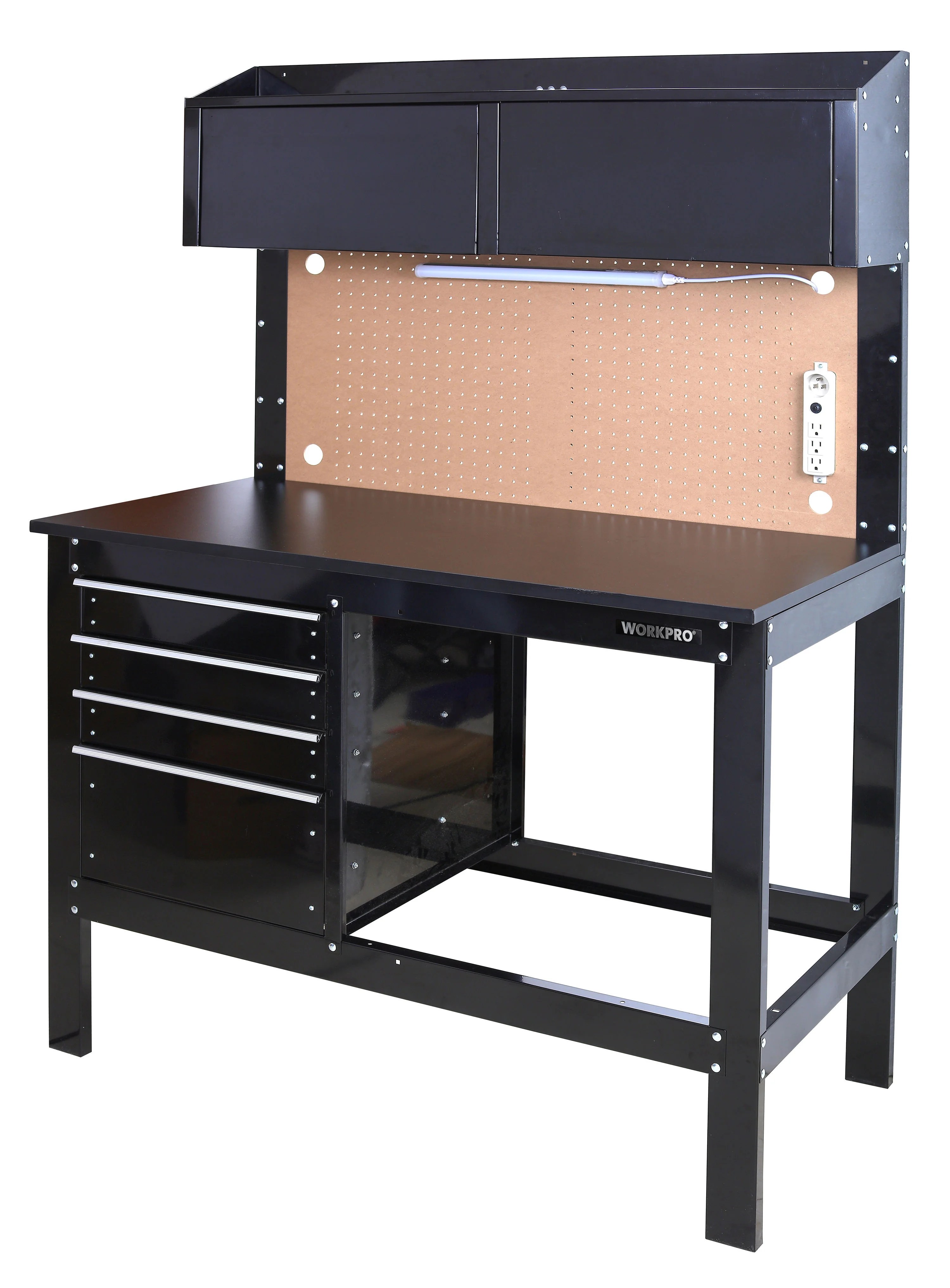
    Workpro 2-in-1 48in Workbench And Cabinet Combo With Work Light

    Workpro 2-in-1 48in workbench and cabinet combo with work light www.walmart.com

    Homak Garage Series 5 Ft. Industrial Steel Workbench With Cabinet Storage-gs00659031

    Homak garage series 5 ft. industrial steel workbench with cabinet storage-gs00659031 www.homedepot.com
    Read More..

    Sabtu, 25 Oktober 2025

    One ladder to rule them all! — jonny builds www.jonny-builds.com

    Introduction: A DIY Ladder Shelf with Storage Ready to add a touch of rustic charm and functional organization to your space? This step-by-step guide will walk you through building a stylish ladder shelf complete with storage bins, hooks, and drawers. This project is perfect for adding storage to a living room, bedroom, or even a home office. Let's get started!
    Materials and Tools: Gathering Your Supplies Before you start building, gather all the necessary materials and tools. This will ensure a smooth and efficient construction process.
  • Lumber: Consider pine, fir, or even reclaimed wood for a rustic look. You'll need enough for the ladder sides, shelves, drawer boxes, and bin frames. (Amounts will depend on your desired dimensions; a detailed cut list is crucial!)
  • Storage Bins: Fabric or wicker bins that fit your chosen dimensions.
  • Drawer Slides: Choose slides appropriate for the size and weight of your drawers.
  • Hooks: Decorative hooks for hanging items.
  • Wood Screws: Various sizes for assembling the frame, shelves, and drawers.
  • Wood Glue: For stronger joints.
  • Sandpaper: Different grits for smoothing the wood.
  • Wood Stain or Paint: To finish the shelf to your liking.
  • Polyurethane or Varnish: For protecting the finish.
  • Drill/Driver: With various drill bits and driver bits.
  • Saw: Circular saw or miter saw for cutting the lumber.
  • Measuring Tape: For accurate measurements.
  • Level: To ensure the shelf is level.
  • Clamps: For holding pieces together while the glue dries.
  • Safety Glasses: To protect your eyes.
  • Ear Protection: Especially when using power tools.
  • Step 1: Building the Ladder Frame The ladder frame provides the structural support for the entire shelf. Accuracy is key in this step to ensure stability.
  • Cut the side rails of the ladder to the desired length. These will be the longest pieces of lumber.
  • Cut the rungs of the ladder. These will be the horizontal supports that hold the shelves. Determine the spacing between the rungs based on the desired height of each shelf.
  • Attach the rungs to the side rails using wood glue and screws. Ensure the rungs are perpendicular to the side rails using a square.
  • Use clamps to hold the pieces together while the glue dries.
  • Step 2: Constructing the Shelves The shelves provide the primary storage space on the ladder shelf.
  • Cut the shelf boards to the desired width and depth. Remember to account for the thickness of the ladder side rails when determining the shelf width.
  • Sand the shelf boards smooth.
  • Attach the shelves to the ladder rungs using wood glue and screws. Make sure the shelves are level.
  • Use clamps to hold the shelves in place while the glue dries.
  • Step 3: Building the Drawer Boxes Drawers add concealed storage to the ladder shelf.
  • Cut the drawer box pieces (sides, front, back, and bottom) to the required dimensions.
  • Assemble the drawer boxes using wood glue and screws. Ensure the boxes are square.
  • Attach the drawer slides to the inside of the ladder frame and to the sides of the drawer boxes, following the manufacturer's instructions.
  • Insert the drawer boxes into the shelf to test the fit and smooth operation.
  • Step 4: Creating the Storage Bin Frames These frames will hold the storage bins, adding another storage dimension.
  • Measure the dimensions of your storage bins.
  • Cut the lumber to create frames that will securely hold the bins.
  • Assemble the frames using wood glue and screws.
  • Attach the frames to the ladder shelf, ensuring they are securely fastened.
  • Step 5: Adding the Hooks The hooks provide additional hanging storage for items like coats, hats, or scarves.
  • Determine the desired location for the hooks on the ladder shelf.
  • Attach the hooks using screws. Make sure the screws are the appropriate length to securely hold the hooks without protruding through the wood.
  • Step 6: Sanding and Finishing Sanding and finishing will protect the wood and enhance the appearance of the ladder shelf.
  • Sand the entire ladder shelf smooth, starting with a coarser grit sandpaper and gradually moving to a finer grit.
  • Apply wood stain or paint to the shelf, following the manufacturer's instructions. Allow the stain or paint to dry completely.
  • Apply a coat of polyurethane or varnish to protect the finish and provide durability. Allow the polyurethane or varnish to dry completely.
  • Step 7: Final Assembly and Placement The final step involves placing the storage bins and ensuring the ladder shelf is stable and secure.
  • Insert the storage bins into the frames.
  • Place the ladder shelf in its desired location.
  • Use a level to ensure the shelf is level. If necessary, adjust the feet of the ladder to level it.
  • If desired, secure the ladder shelf to the wall for added stability, especially if it's tall or placed in a high-traffic area.
  • Conclusion: Enjoy Your New Ladder Shelf! Congratulations! You've successfully built a stylish and functional ladder shelf with storage bins, hooks, and drawers. Enjoy the added organization and rustic charm it brings to your space. Now, step back and admire your handiwork!

    One Ladder To Rule Them All! — Jonny Builds

    One ladder to rule them all! — jonny builds www.jonny-builds.com

    Auction Detail

    Auction detail www.bidfta.com

    Louisville Ladder 8' Fiberglass Step Ladder, 12' Reach, 375 Lbs Load Capacity, Fs1308hd

    Louisville ladder 8' fiberglass step ladder, 12' reach, 375 lbs load capacity, fs1308hd www.walmart.com
    Read More..

    Kamis, 23 Oktober 2025

    10 beautiful plant wall shelf ideas to inspire you www.pinterest.com

    Opening: Bring the Outdoors In! Transform any wall into a vibrant vertical garden with this DIY hanging plant wall shelf! Not only does it add a touch of nature to your living space, but it also offers practical storage. This step-by-step guide will walk you through the process of building your own stunning plant display.
    Materials You'll Need:
  • Wooden planks (dimensions will vary depending on your desired size)
  • Rope or sturdy cord (natural fiber rope adds a rustic touch)
  • Sandpaper (various grits)
  • Wood stain or paint (optional)
  • Drill with appropriate drill bits
  • Measuring tape
  • Pencil
  • Level
  • Plant pots
  • Potting soil
  • Plants of your choice
  • Optional: Wood sealant
  • Step 1: Prepare the Wood Start by sanding all the wooden planks. Begin with a coarse grit sandpaper to smooth out any rough edges and then move to a finer grit for a polished finish. If you want to stain or paint the wood, do so now and let it dry completely according to the manufacturer's instructions. Apply a wood sealant if you intend to use the shelf indoors and are concerned about water damage.
    Step 2: Determine Shelf Spacing and Drill Holes Decide how far apart you want your shelves to be. Measure and mark the locations for the rope holes on each plank, ensuring the holes are equidistant from the sides. Use a drill bit slightly larger than the diameter of your rope to drill the holes through each plank.
    Step 3: Assemble the Hanging Structure Cut two lengths of rope, ensuring they are long enough to accommodate all the shelves and allow for sufficient hanging length. Thread the rope through the holes in each plank, starting from the bottom shelf. Tie a secure knot beneath each shelf to prevent it from sliding down. Make sure that the knots are all the same distance from the holes to keep the shelves level.
    Step 4: Ensure Level Shelves Use a level to ensure that each shelf is perfectly horizontal. Adjust the knots beneath the shelves as needed until each is level. This step is crucial for preventing plants from tipping over.
    Step 5: Hanging and Securing the Shelf Find a sturdy place to hang your plant shelf. Use a strong hook or mounting hardware that can support the weight of the shelves, plants, and soil. Once the shelf is hung, double-check that it is secure and level.
    Step 6: Add Plants and Storage Items Place your plant pots on the shelves. Arrange them to create a visually appealing display. You can also use the shelves to store gardening tools, small decorative items, or other household essentials. Make sure to choose plants that are appropriate for the light conditions in your space.
    Conclusion: Enjoy Your Green Oasis Congratulations! You've successfully created a beautiful and functional hanging plant wall shelf. Enjoy the beauty and tranquility it brings to your home! Regularly water your plants and adjust the shelf as needed to ensure they thrive.

    10 Beautiful Plant Wall Shelf Ideas To Inspire You

    10 beautiful plant wall shelf ideas to inspire you www.pinterest.com

    Hanging Plant Shelves // Wall Shelves Shelf Wall Unit //

    Hanging plant shelves // wall shelves shelf wall unit // www.pinterest.com

    Plant Shelf, Wall Shelf, Floating Shelf, Cat Proof Shelf, Plant Stand, Small Shelf, Hanging

    Plant shelf, wall shelf, floating shelf, cat proof shelf, plant stand, small shelf, hanging www.michaels.com
    Read More..

    Rabu, 22 Oktober 2025

    Zimtown natural bamboo 4 tiers shoe rack shoe storage organizer 12-batten free standing shoe www.walmart.com

    Opening: Declutter Your Entryway with a DIY Shoe Rack! Tired of tripping over shoes as soon as you walk in the door? This simple DIY shoe rack project is the perfect solution to organize your footwear and create a more welcoming entryway. No advanced carpentry skills are required, and you can customize the dimensions to perfectly fit your space. Let's get started!
    Step 1: Gather Your Materials Before you begin, collect the necessary supplies. The exact quantities will depend on the size of the shoe rack you intend to build. You'll need:
  • Wood boards (Pine, fir, or plywood are good options) Determine the dimensions (length, width, and thickness) based on your desired shoe rack size.
  • Wood screws (appropriate length for your wood thickness)
  • Wood glue
  • Sandpaper (various grits, from coarse to fine)
  • Wood stain or paint (optional, for finishing)
  • Polyurethane or varnish (optional, for sealing)
  • Step 2: Cut the Wood Using a saw (circular saw, miter saw, or hand saw), cut the wood boards according to your plan. You will need:
  • Side supports: Typically two pieces, these determine the height of your shoe rack.
  • Shelves: The number of shelves and their length will determine how many shoes you can store.
  • Optional top piece: If you want a solid top surface for the shoe rack.
  • Ensure all cuts are straight and accurate for a professional-looking finished product.
    Step 3: Sand the Wood Sand all the cut pieces of wood thoroughly. Start with a coarse grit sandpaper to remove any rough edges or splinters, then move to a medium grit, and finally finish with a fine grit for a smooth surface. This step is crucial for achieving a polished look and preventing splinters.
    Step 4: Assemble the Shoe Rack Frame Apply wood glue to the edges of the side supports where the shelves will attach. Position the shelves between the side supports, ensuring they are evenly spaced. Secure the shelves to the side supports using wood screws. Pre-drilling pilot holes can help prevent the wood from splitting.
    Step 5: Add the Top (Optional) If you chose to include a top piece, apply wood glue to the top edges of the side supports and the topmost shelf. Center the top piece and secure it with wood screws, again pre-drilling pilot holes if necessary.
    Step 6: Fill Screw Holes (Optional) For a cleaner look, fill the screw holes with wood filler. Allow the filler to dry completely, then sand it smooth.
    Step 7: Apply Finish (Optional) Now it's time to finish the shoe rack. You can stain or paint it to match your decor. Apply the stain or paint evenly, following the manufacturer's instructions. Allow it to dry completely between coats.
    Step 8: Seal the Finish (Optional) To protect the finish and make the shoe rack more durable, apply a coat of polyurethane or varnish. This will also make it easier to clean. Again, follow the manufacturer's instructions and allow it to dry completely.
    Conclusion: Enjoy Your Organized Entryway! Congratulations! You have successfully built your own DIY shoe rack. Place it in your entryway and enjoy the newfound organization. You can further customize it by adding baskets or labels for even more storage and style. Enjoy your clutter-free space!

    Vegas 3 Tier Engineered Wood Shoe Rack

    Vegas 3 tier engineered wood shoe rack www.decornation.in

    Zimtown Natural Bamboo 4 Tiers Shoe Rack Shoe Storage Organizer 12-batten Free Standing Shoe

    Zimtown natural bamboo 4 tiers shoe rack shoe storage organizer 12-batten free standing shoe www.walmart.com

    5 Tiers Shoe Rack Tall Shoe Organizer Shoe Storage Vertical Shoe Shelf Large Shoe Rack Organizer

    5 tiers shoe rack tall shoe organizer shoe storage vertical shoe shelf large shoe rack organizer www.walmart.com
    Read More..

    Selasa, 21 Oktober 2025

    Louisville ladder 8' fiberglass step ladder, 12' reach, 375 lbs load capacity, fs1308hd www.walmart.com

    ```html
    Opening: Creating a DIY Ladder Plant Stand with Storage Bins This project combines functionality with rustic charm, offering a tiered display for your plants and convenient storage space. This step-by-step guide will walk you through building your own ladder plant stand, allowing you to customize it to fit your specific needs and style.
    Materials Needed:
    • Two 6-foot (or desired length) pieces of lumber (for the ladder sides e.g., 2x4s)
    • Five (or desired number) pieces of lumber for the shelves (length will vary depending on the desired width of your ladder e.g., 1x6s, 1x8s, or wider)
    • Lumber for storage bins (amount and dimensions will vary depending on the size and number of bins desired e.g., 1x4s, plywood)
    • Wood screws (various sizes)
    • Wood glue
    • Sandpaper (various grits)
    • Wood stain or paint (optional)
    • Polyurethane sealant (optional)
    • Measuring tape
    • Pencil
    • Saw (circular saw, miter saw, or hand saw)
    • Drill with drill bits and screw driving attachments
    • Clamps
    Step 1: Prepare the Ladder Sides Begin by cutting your two long pieces of lumber to the desired length for the ladder sides. Ensure both pieces are the same length. Sand the sides smooth to remove any splinters or rough edges.
    Step 2: Cut and Prepare the Shelves Determine the desired width of your plant stand. Cut the lumber for the shelves to this width. You'll need one shelf for each tier of the ladder. Sand the shelves smooth.
    Step 3: Attach the Shelves to the Ladder Sides Decide on the spacing between your shelves. Mark these locations on the inside of both ladder sides. Apply wood glue to the edge of each shelf where it will meet the ladder side. Clamp the shelf to the ladder side, ensuring it's level and square. Predrill pilot holes through the ladder side into the shelf. Secure the shelf with wood screws. Repeat this process for all shelves on both sides of the ladder.
    Step 4: Build the Storage Bins Determine the size and number of storage bins you want. Cut the lumber for the sides, bottom, and front (if desired) of the bins. Assemble each bin using wood glue and screws. Ensure the bins are sturdy. Sand the bins smooth.
    Step 5: Attach the Storage Bins Determine where you want to position the storage bins on the ladder. This could be at the bottom, in between shelves, or below the lowest shelf. Attach the bins to the ladder using wood glue and screws. Ensure they are securely attached.
    Step 6: Sanding and Finishing Once the glue is dry and all screws are in place, sand the entire plant stand thoroughly. Start with a coarser grit sandpaper to remove any imperfections, then move to finer grits for a smooth finish. Wipe away any sanding dust.
    Step 7: Staining or Painting (Optional) If desired, apply a wood stain or paint to the plant stand. Follow the manufacturer's instructions for application and drying times. Apply multiple coats as needed to achieve the desired color and coverage.
    Step 8: Sealing (Optional) To protect the wood from moisture and wear, apply a polyurethane sealant. This will help your plant stand last longer, especially if it will be used outdoors or in a humid environment. Follow the manufacturer's instructions for application and drying times.
    Conclusion: Enjoy Your DIY Ladder Plant Stand You have now successfully built your own ladder plant stand with storage bins! Fill it with your favorite plants and gardening supplies, and enjoy the added beauty and organization it brings to your space. Remember to regularly check and maintain your plant stand, especially if it's used outdoors.
    ```

    Buy Lanbitou Ladder, A Frame 5 Step Ladder Extension, 17 Ft Anti-slip Multi Position Ladder

    Buy lanbitou ladder, a frame 5 step ladder extension, 17 ft anti-slip multi position ladder www.desertcart.co.zw

    Buy Ladder, A Frame 4 Step Ladder Extension, 14 Ft Anti-slip Multi Position & Storage Folding

    Buy ladder, a frame 4 step ladder extension, 14 ft anti-slip multi position & storage folding www.desertcart.nz

    Louisville Ladder 8' Fiberglass Step Ladder, 12' Reach, 375 Lbs Load Capacity, Fs1308hd

    Louisville ladder 8' fiberglass step ladder, 12' reach, 375 lbs load capacity, fs1308hd www.walmart.com
    Read More..

    Senin, 20 Oktober 2025

    10 useful tips and a bit strange for a perfect garden www.webmagazinetoday.com

    Introduction: Adding Charm to Your Outdoor Space Ready to transform your garden with some beautiful and functional DIY wood projects? This post will guide you through creating a simple yet stunning raised garden bed, perfect for growing herbs, vegetables, or flowers. It's a beginner-friendly project that adds both aesthetic appeal and practicality to your outdoor space.
    Materials You'll Need Before we begin, gather the following materials. Accuracy in cutting and assembling will improve final look:
  • Four untreated lumber planks (cedar or redwood recommended for durability) e.g., 6 inches x 1 inch x 4 feet each.
  • Four untreated lumber posts (corner posts) e.g., 2 inches x 2 inches x 12 inches each.
  • Exterior wood screws (approx. 1.5-2 inches long).
  • Weed barrier fabric.
  • Staple gun.
  • Measuring tape.
  • Saw (hand saw or power saw).
  • Drill.
  • Safety glasses.
  • Work gloves.
  • Step 1: Cutting the Wood The initial stage is cutting the wood to the required measurements, measure twice, and cut once:
  • Ensure that your lumber planks are cut to the desired length, for example, all the same size.
  • Double-check all measurements before cutting to avoid errors.
  • Step 2: Assembling the Frame Now, we're going to assemble the main rectangular frame for our raised bed:
  • Place two lumber planks on their edges, parallel to each other.
  • Position one corner post inside each of the four corners, ensuring they are flush with the top and side edges of the planks.
  • Using your drill and wood screws, attach each corner post to the lumber planks. Drive screws through the planks into the corner posts.
  • Repeat this process for all four corners, creating a sturdy rectangular frame.
  • Step 3: Adding the Weed Barrier Prevent weeds from invading your raised garden bed:
  • Line the inside of the assembled frame with weed barrier fabric.
  • Overlap the edges of the fabric onto the top of the frame.
  • Use a staple gun to secure the fabric to the inside of the frame, making sure it's taut and covers the entire interior.
  • Step 4: Placement and Finishing Touches The final stage involves positioning your new raised bed and adding soil:
  • Choose a sunny location in your garden for your raised bed.
  • Place the assembled raised bed in the chosen location.
  • Fill the raised bed with a high-quality garden soil mix.
  • You can optionally add a layer of compost or other organic matter to enrich the soil.
  • Conclusion: Enjoy Your New Raised Garden Bed Congratulations! You have successfully built your own raised garden bed. Now you can plant your favorite herbs, vegetables, or flowers and enjoy the fruits (or vegetables!) of your labor. Regularly water and maintain your garden bed to keep your plants thriving. This simple project enhances your garden's beauty and provides a practical space for gardening.

    Moore & Moore Garden Center

    Moore & moore garden center www.mooreandmoore.com

    10 Useful Tips And A Bit Strange For A Perfect Garden

    10 useful tips and a bit strange for a perfect garden www.webmagazinetoday.com

    Paolasophia: Garden Inspiration

    Paolasophia: garden inspiration paolasophia.blogspot.com
    Read More..

    Minggu, 19 Oktober 2025

    Woodworking tips for kids: how to get them started with safe and fun projects builtbykids.com

    ```html
    Introduction: Building a Simple Birdhouse Want to attract some feathered friends to your backyard? Building a birdhouse is a fun and rewarding project, perfect for beginners and experienced DIYers alike. This guide will walk you through the steps to create a simple, functional birdhouse that your local birds will love.
    Materials and Tools Needed: Before you start, gather the following supplies:
    • Wood: A single 1x6 board (approximately 6 feet long) is sufficient. Cedar or pine are good choices for their durability.
    • Fasteners: Galvanized nails or exterior wood screws (1 1/4 inch).
    • Wood Glue: Exterior-grade wood glue for extra strength.
    • Drill: With drill bits appropriate for pilot holes and screw size.
    • Saw: Hand saw, circular saw, or miter saw for cutting the wood.
    • Measuring Tape or Ruler: For accurate measurements.
    • Pencil: For marking cut lines.
    • Sandpaper: Medium grit (120-150) for smoothing edges.
    • Safety Glasses: Always wear safety glasses when cutting or drilling.
    • Optional: Wood sealant or paint (exterior grade).
    Step 1: Cutting the Pieces Using the following dimensions, cut the wood pieces. Remember to measure carefully and cut accurately for a good fit.
    • Front: 6 inches wide x 8 inches tall
    • Back: 6 inches wide x 10 inches tall
    • Sides (2 pieces): 6 inches wide x 7 inches tall (angled cut on top, see Step 2)
    • Bottom: 4 inches wide x 6 inches deep
    • Roof (2 pieces): 4.5 inches wide x 7 inches deep
    Step 2: Angled Cuts for Sides The sides need to be angled at the top to create the roof slope. On each side piece, measure down 2 inches from one of the 6-inch edges. Draw a line from that point to the opposite corner (the 7-inch side). Cut along this line to create the angle. This will create a simple roof slant.
    Step 3: Drilling the Entrance Hole On the front piece, drill an entrance hole approximately 2 inches down from the top. The diameter of the hole depends on the type of bird you want to attract. A 1 1/2 inch hole is suitable for bluebirds. Sand the edges of the hole to prevent splinters.
    Step 4: Assembling the Birdhouse Sides to Bottom Apply wood glue to the edges of the bottom piece. Attach the two side pieces to the bottom, ensuring they are flush. Use nails or screws to secure the sides to the bottom. Drill pilot holes first to prevent the wood from splitting.
    Step 5: Attaching the Front Apply wood glue to the edges of the side pieces and the bottom where the front will attach. Position the front piece and secure it with nails or screws. Make sure the front is flush with the sides and bottom.
    Step 6: Attaching the Back Apply wood glue to the edges of the side pieces and the bottom where the back will attach. Position the back piece and secure it with nails or screws. Make sure the back is flush with the sides and bottom. The back piece should extend further up than the front piece, creating an overhang.
    Step 7: Attaching the Roof Apply wood glue to the angled top edges of the side pieces. Position the roof pieces, ensuring they overhang slightly on all sides. Secure the roof pieces with nails or screws.
    Step 8: Sanding and Finishing (Optional) Sand all rough edges and surfaces to create a smooth finish. If desired, apply an exterior-grade wood sealant or paint to protect the birdhouse from the elements. Let it dry completely before installing.
    Step 9: Drainage and Ventilation Drill a few small drainage holes in the bottom of the birdhouse to prevent water from accumulating. You can also drill small ventilation holes near the top under the roof line.
    Conclusion: Attracting Birds to Your New Home Congratulations! You've built a simple birdhouse. Now, find a suitable location to mount it – ideally in a sheltered spot away from predators. Enjoy watching the birds move in and make it their home! Remember to clean out the birdhouse annually after the nesting season.
    ```

    Woodworking Tips For Kids: How To Get Them Started With Safe And Fun Projects

    Woodworking tips for kids: how to get them started with safe and fun projects builtbykids.com

    Woodworking Projects For Kids

    Woodworking projects for kids www.pinterest.com

    Woodworking Lessons For Kids: Teaching In The Workshop

    Woodworking lessons for kids: teaching in the workshop builtbykids.com
    Read More..

    Sabtu, 18 Oktober 2025

    Best wooden utensils for cooking: essential tools for the modern kitchen 86lemons.com

    Introduction: Elevate Your Workspace with a DIY Wooden Desk Hutch A wooden desk hutch can dramatically improve your workspace's organization and aesthetics. This guide provides a step-by-step approach to building your own, tailored to your specific needs and style. This project requires basic woodworking skills and access to common woodworking tools. Safety is paramount, always wear appropriate safety gear.
    Materials and Tools: Gathering Your Supplies Before you begin, ensure you have all the necessary materials and tools. This will streamline the building process and prevent interruptions.
    • Lumber: Select your desired wood type (pine, oak, plywood) based on budget and aesthetics. Determine the dimensions of your desk and desired hutch size to calculate the necessary amount of lumber. Aim for lumber that's at least ¾" thick for stability.
    • Fasteners: Wood screws (various lengths), wood glue, finishing nails (optional).
    • Finishing Supplies: Sandpaper (various grits), wood stain or paint, sealant (polyurethane or varnish), rags or brushes for application.
    • Tools: Measuring tape, pencil, safety glasses, ear protection, circular saw or hand saw, drill with drill bits and screw driving attachments, wood clamps, sander, nail gun (optional), square, level.
    Step 1: Design and Planning Careful planning is essential for a successful project. Sketch out your desired hutch design, considering the dimensions of your desk and the items you want to store. Include measurements for all pieces of lumber. Consider elements like shelves, cubbies, or a back panel. Determine the type of joinery you'll use (butt joints, dado joints, etc.).
    Step 2: Cutting the Lumber Accurately cut all the lumber pieces according to your design measurements. Double-check your measurements before cutting to avoid mistakes. Use a circular saw or hand saw for straight cuts. If using a power saw, ensure the blade is sharp and the workpiece is securely clamped. For cleaner cuts consider using a miter saw for angled cuts if needed.
    Step 3: Assembling the Frame Begin assembling the hutch frame by connecting the side panels to the top and bottom pieces. Use wood glue and screws for a strong and durable joint. Clamp the pieces together while the glue dries to ensure a tight bond. Use a square to ensure the frame is perfectly square.
    Step 4: Installing Shelves and Dividers Install the shelves and dividers according to your design. Use wood glue and screws or nails to secure them in place. Ensure the shelves are level and evenly spaced. For adjustable shelves, you can use shelf pins and drill corresponding holes in the side panels.
    Step 5: Adding the Back Panel (Optional) If your design includes a back panel, cut a piece of plywood or other suitable material to size. Attach the back panel to the frame using nails, screws, or glue. The back panel adds stability to the hutch and prevents items from falling behind.
    Step 6: Sanding and Finishing Thoroughly sand all surfaces of the hutch to create a smooth and even finish. Start with a coarser grit sandpaper and gradually move to finer grits. Remove all dust with a tack cloth. Apply your desired stain or paint to the hutch. Allow the stain or paint to dry completely according to the manufacturer's instructions. Apply a sealant (polyurethane or varnish) to protect the wood and enhance its appearance.
    Step 7: Final Assembly and Installation Once the finish is completely dry, carefully place the hutch on your desk. Ensure it is level and stable. Secure the hutch to the desk if necessary using screws or brackets. Organize your belongings on the shelves and enjoy your newly organized workspace.
    Conclusion: Enjoy Your Customized Desk Hutch Congratulations on building your own wooden desk hutch! This project not only enhances your workspace organization but also adds a personalized touch to your décor. Enjoy the functionality and aesthetic appeal of your new creation.

    Best Wooden Utensils For Cooking: Essential Tools For The Modern Kitchen

    Best wooden utensils for cooking: essential tools for the modern kitchen 86lemons.com

    1000+ Beautiful Wooden Photos · Pexels · Free Stock Photos

    1000+ beautiful wooden photos · pexels · free stock photos www.pexels.com

    Diverse Wooden Surface. The Walls Of The Houses Are Made Of Wood. Boards For Background And

    Diverse wooden surface. the walls of the houses are made of wood. boards for background and www.vecteezy.com
    Read More..