Selasa, 30 September 2025

44 outdoor patio ideas for a place you'll never want to leave www.bhg.com

Introduction: Your Backyard Oasis Awaits! Ready to transform your outdoor space into the ultimate entertaining hub? Building your own DIY outdoor bar is a fantastic project that adds both style and functionality to your patio, deck, or backyard. This guide will walk you through the process step-by-step, from planning to finishing touches, ensuring you create a bar that perfectly suits your needs and aesthetic.
Step 1: Planning and Design Before you start hammering, let's get the design right. Consider these factors:
  • Location: Where will the bar be situated? Think about sunlight, shade, proximity to the house, and traffic flow.
  • Size: How large do you want the bar to be? This depends on your available space and how many people you plan to accommodate.
  • Functionality: What features do you need? Do you want storage space, a sink, a built-in cooler, or seating?
  • Style: What look are you going for? Rustic, modern, tiki, or something else entirely? Choose materials and finishes that match your desired aesthetic.
  • Sketch out your design, including dimensions. A simple drawing will help you visualize the finished product and calculate the materials you'll need. Don't forget to check local building codes and regulations regarding outdoor structures.
    Step 2: Gathering Materials and Tools Once you have a design, create a detailed materials list. Here are some common materials you might need:
  • Pressure-treated lumber (for the frame and legs)
  • Decking boards or other suitable material for the bar top and exterior
  • Screws and nails (exterior-grade)
  • Concrete mix (for footings, if needed)
  • Stain or paint (exterior-grade)
  • Sealant (for the bar top)
  • Hardware (hinges, handles, etc.)
  • Essential tools include:
  • Saw (circular saw or miter saw)
  • Drill
  • Screwdriver
  • Level
  • Measuring tape
  • Safety glasses
  • Work gloves
  • Sandpaper
  • Remember to adjust the list according to your specific design.
    Step 3: Building the Frame The frame is the foundation of your bar.
  • Cut the lumber according to your design.
  • Assemble the frame using screws and nails. Ensure the frame is square and level.
  • Reinforce corners with brackets for added stability.
  • If your bar is large or heavy, consider building concrete footings to support the legs.
  • Attach the legs to the frame. Make sure they are securely fastened and level.
  • Take your time and double-check your measurements to ensure a sturdy and well-built frame.
    Step 4: Adding the Bar Top The bar top is where the magic happens.
  • Cut the decking boards or other material to size.
  • Attach the boards to the frame using screws.
  • Sand the bar top smooth.
  • Apply a sealant to protect the bar top from water and spills. Choose a sealant appropriate for outdoor use and the material of your bar top.
  • Consider adding a decorative edge to the bar top for a finished look.
  • Pay close attention to the alignment and spacing of the bar top boards for a professional finish.
    Step 5: Adding the Exterior Sheathing (Optional) This step adds visual appeal and can provide additional storage.
  • Cut the decking boards or other material to size.
  • Attach the boards to the frame, covering the sides and back of the bar.
  • Consider adding doors or drawers for storage.
  • Sand the exterior sheathing smooth.
  • Apply stain or paint to match your desired aesthetic.
  • Get creative with the exterior design to reflect your personal style.
    Step 6: Finishing Touches These details elevate your bar from functional to fantastic.
  • Install hardware (hinges, handles, etc.).
  • Add lighting (string lights, under-cabinet lights).
  • Install a bottle opener and towel rack.
  • Add comfortable seating (bar stools, chairs).
  • Stock the bar with your favorite drinks and glassware.
  • Consider adding decorative elements like plants, signage, or themed accessories.
  • Personalize your bar to make it your own!
    Conclusion: Enjoy Your Outdoor Bar! Congratulations! You've successfully built your own DIY outdoor bar. Now it's time to relax, invite friends and family over, and enjoy the fruits of your labor. With proper care and maintenance, your outdoor bar will provide years of enjoyment and become a favorite gathering spot for all. Cheers!

    44 Outdoor Patio Ideas For A Place You'll Never Want To Leave

    44 outdoor patio ideas for a place you'll never want to leave www.bhg.com

    Getting Outdoors

    Getting outdoors healthbydesign.com

    Outdoor Spaces Design Guide

    Outdoor spaces design guide www.hgtv.com
    Read More..

    Minggu, 28 September 2025

    Vevor adjustable workbench, 72" x 25" multi-purpose work bench with 28.5" www.walmart.com

    ```html
    Introduction: The Ultimate DIY Workbench
    Ready to elevate your DIY game? This guide walks you through building a robust 157+ inch workbench complete with integrated lighting. Perfect for woodworking, electronics, or any project that needs a spacious and well-lit workspace. This is a project that requires intermediate skills and some power tools, so be prepared to invest some time and effort.
    Step 1: Planning and Materials
    Before you start swinging a hammer, meticulous planning is key. Here's what you need to consider:
    • Dimensions: Determine the exact length, width, and height of your workbench. We're aiming for 157+ inches in length, but adjust to your needs.
    • Materials: Lumber (2x4s for the frame, plywood or MDF for the top and shelves), screws, wood glue, sandpaper, paint or sealant, LED strip lights, wiring, a power cord, and safety glasses.
    • Tools: Saw (circular saw or table saw), drill, screwdriver, measuring tape, level, clamps, and a wire stripper/crimper.
    Step 2: Building the Frame
    The frame is the backbone of your workbench. This needs to be square and sturdy.
    • Cut the 2x4s to the desired lengths for the legs, rails, and supports.
    • Assemble the frame using screws and wood glue. Ensure everything is square using a level.
    • Add cross supports for extra stability. These should be evenly spaced along the length of the frame.
    • Consider adding a bottom shelf frame at this stage. This provides more storage and adds rigidity.
    Step 3: Attaching the Workbench Top
    The top is where the magic happens. Opt for a thick piece of plywood or MDF for durability.
    • Cut the plywood or MDF to the desired dimensions.
    • Sand the edges smooth to prevent splinters.
    • Apply wood glue to the top of the frame.
    • Carefully position the workbench top onto the frame.
    • Secure the top with screws from underneath, ensuring they don't poke through the top surface.
    Step 4: Adding Shelves (Optional)
    Shelves dramatically increase the functionality of your workbench.
    • Cut the shelving material to the desired size.
    • Attach the shelves to the frame using screws and wood glue.
    • Consider adding a backing to the shelves to prevent items from falling off.
    Step 5: Integrating the Lighting
    Proper lighting is crucial for detailed work. LED strip lights are energy-efficient and provide ample illumination.
    • Determine where you want to mount the LED strip lights (underneath the top, along the front, etc.).
    • Cut the LED strip lights to the appropriate length.
    • Adhere the LED strip lights to the workbench using their adhesive backing or additional clips.
    • Connect the wiring to the LED strip lights and the power cord.
    • Ensure all connections are secure and properly insulated.
    • Test the lighting system before proceeding.
    Step 6: Finishing Touches
    The final touches make all the difference.
    • Sand the entire workbench to smooth out any rough edges or imperfections.
    • Apply paint, sealant, or varnish to protect the wood and enhance its appearance.
    • Consider adding a pegboard to the back of the workbench for tool organization.
    • Install a power strip for easy access to electricity.
    Conclusion: Your Dream Workbench Realized
    Congratulations! You've built a custom 157+ inch workbench with integrated lighting. This robust and well-lit workspace will empower you to tackle any DIY project with confidence and efficiency. Remember to always prioritize safety when working with power tools and electricity. Enjoy your new creation!
    ```

    Industrial Workbenches

    Industrial workbenches www.benchmaster.uk

    Husky 6 Ft. Solid Wood Top Workbench-g7200s-us

    Husky 6 ft. solid wood top workbench-g7200s-us www.homedepot.com

    Vevor Adjustable Workbench, 72" X 25" Multi-purpose Work Bench With 28.5"

    Vevor adjustable workbench, 72" x 25" multi-purpose work bench with 28.5" www.walmart.com
    Read More..

    Sabtu, 27 September 2025

    14 stylish outdoor decor ideas fit for 2023 havenly.com

    Introduction: Combining Functionality and Beauty This post will guide you through building a stunning outdoor wooden storage bench with integrated planters. This project seamlessly blends practical storage with the beauty of nature, adding both utility and aesthetic appeal to your patio, deck, or garden. We'll cover each step in detail, from planning and gathering materials to the final assembly and finishing touches. Get ready to enhance your outdoor space with this rewarding DIY project!
    Step 1: Planning and Design Before you start cutting wood, careful planning is essential.
  • Determine Dimensions: Decide on the desired length, width, and height of your bench and planters. Consider the available space in your outdoor area and the amount of storage you need. Sketching a simple design with measurements will be helpful. Common bench heights range from 16-20 inches, and planter depths depend on the types of plants you intend to grow.
  • Create a Cut List: Based on your dimensions, create a detailed cut list of all the lumber pieces required. This will help you stay organized and minimize waste. Group similar sized pieces together to optimize your wood purchases.
  • Choose Wood Type: Select weather-resistant wood suitable for outdoor use. Cedar, redwood, and treated lumber are excellent choices. Consider the cost, durability, and aesthetic appeal of each option.
  • Step 2: Gathering Materials and Tools Having all the necessary materials and tools ready will streamline the building process.
  • Lumber: Purchase the required lumber based on your cut list. Be sure to account for potential waste.
  • Fasteners: Choose exterior-grade screws, such as deck screws, for assembling the bench and planters. Consider using wood glue in addition to screws for added strength.
  • Planter Liners: Acquire durable planter liners to protect the wood from moisture. These can be plastic containers or flexible pond liners cut to size.
  • Drainage Material: Gravel or crushed stone is needed for the bottom of the planters to ensure proper drainage.
  • Soil: Purchase potting soil suitable for the plants you intend to grow.
  • Tools: You'll need a saw (circular saw or hand saw), drill, screwdriver, measuring tape, level, sandpaper, safety glasses, and work gloves. A miter saw will make precise angled cuts easier.
  • Step 3: Building the Bench Frame The bench frame provides the structural foundation for the entire project.
  • Cut the Frame Pieces: Cut the lumber pieces according to your cut list for the bench frame. This typically includes side supports, front and back supports, and top supports.
  • Assemble the Frame: Assemble the frame using screws and wood glue. Ensure that the frame is square by measuring the diagonals. They should be equal. Clamp the pieces together while the glue dries.
  • Add Top Supports: Attach the top supports to the frame. These will provide a surface for the bench seat boards to rest on. Evenly space them to ensure adequate support.
  • Step 4: Building the Planter Boxes Constructing the planter boxes will integrate the greenery into the bench design.
  • Cut Planter Box Pieces: Cut the lumber pieces for the planter box walls and bottoms.
  • Assemble the Planter Boxes: Assemble the planter boxes using screws and wood glue. Ensure the corners are square and the boxes are sturdy.
  • Attach to the Bench Frame: Attach the planter boxes to the sides of the bench frame using screws. Make sure they are securely fastened.
  • Step 5: Adding the Bench Seat The bench seat provides a comfortable place to sit and enjoy your outdoor space.
  • Cut the Seat Boards: Cut the lumber pieces for the bench seat.
  • Attach the Seat Boards: Attach the seat boards to the top supports of the bench frame using screws. Leave a small gap between the boards for drainage and expansion.
  • Sand the Surface: Sand the bench seat to create a smooth and comfortable surface.
  • Step 6: Installing Planter Liners and Preparing for Planting Proper liner installation ensures the longevity of your project.
  • Install Planter Liners: Place the planter liners inside the planter boxes. Ensure they fit snugly and cover the entire inside surface.
  • Add Drainage Material: Add a layer of gravel or crushed stone to the bottom of the planter liners. This will help with drainage and prevent the soil from becoming waterlogged.
  • Add Potting Soil: Fill the planter boxes with potting soil.
  • Step 7: Finishing and Planting The final touches bring your project to life.
  • Sand and Finish: Sand the entire bench and planter structure to remove any rough edges. Apply a weather-resistant stain or paint to protect the wood and enhance its appearance. Follow the manufacturer's instructions for application and drying time.
  • Plant Flowers or Plants: Plant your chosen flowers or plants in the planter boxes. Water them thoroughly.
  • Optional Embellishments: Add decorative elements such as cushions, pillows, or decorative stones to personalize your bench and planter.
  • Conclusion: Enjoy Your New Outdoor Oasis Congratulations! You've successfully built a beautiful and functional outdoor wooden storage bench with planters. This project not only provides a comfortable place to relax but also adds a touch of natural beauty to your outdoor space. Enjoy the fruits (or flowers!) of your labor, and take pride in your DIY accomplishment. Regular maintenance, such as re-staining or painting every few years, will help keep your bench looking its best for years to come.

    Luxury Outdoor Living Spaces: Design Ideas & Trends

    Luxury outdoor living spaces: design ideas & trends theluxurypergola.com

    8 Best Durable Outdoor Furniture Materials

    8 best durable outdoor furniture materials www.castlery.com

    14 Stylish Outdoor Decor Ideas Fit For 2023

    14 stylish outdoor decor ideas fit for 2023 havenly.com
    Read More..

    Jumat, 26 September 2025

    Afternoon funny meme dump 35 pics www.pinterest.com

    ```html
    Introduction: Building Your Own Dresser Building a dresser can seem daunting, but with the right plans, tools, and patience, you can create a beautiful and functional piece of furniture that will last for years. This guide will walk you through the process step-by-step, focusing on a basic, but customizable, dresser design. Before we dive in, make sure you have access to safe workspace, and are comfortable using power tools.
    Step 1: Planning and Material Selection Before you start cutting wood, you need a detailed plan. Here's what to consider:
    • Dimensions: Determine the overall size of the dresser (height, width, depth) based on your needs and available space.
    • Drawer Configuration: Decide how many drawers you want and their sizes. Common configurations include a mix of small and large drawers.
    • Material: Choose your wood. Popular choices include pine (affordable and easy to work with), poplar (good for painting), and hardwoods like oak or maple (more durable and visually appealing). Consider plywood for the dresser carcass (sides, top, bottom, back) for stability.
    • Hardware: Select drawer slides (ball-bearing are recommended for smooth operation), knobs or pulls, and any decorative elements.
    Once you have these details, create a detailed drawing or find a pre-made plan online. Having a detailed plan will prevent costly mistakes.
    Step 2: Gathering Tools and Materials Once you have your plan, gather your tools and materials. You'll need:
    • Wood: According to your plan, make a detailed cutting list
    • Measuring Tools: Tape measure, square, pencil
    • Cutting Tools: Circular saw, table saw (optional but recommended for accurate cuts), jigsaw
    • Joinery Tools: Drill, pocket hole jig (optional but makes assembly easier), wood glue, clamps
    • Sanding Tools: Sander, sandpaper (various grits)
    • Finishing Supplies: Primer, paint or stain, varnish or lacquer, brushes or spray gun
    • Safety Gear: Safety glasses, ear protection, dust mask
    Ensure all tools are in good working condition.
    Step 3: Cutting the Wood Following your cutting list, carefully cut all the pieces for your dresser. Label each piece as you cut it to avoid confusion later.
    • Carcass Pieces: Sides, top, bottom, and back. Cut these from plywood or solid wood depending on your plan.
    • Drawer Boxes: Front, back, sides, and bottom for each drawer.
    • Drawer Fronts: The visible front of each drawer.
    • Face Frame (Optional): Adds a decorative element to the front of the dresser.
    • Internal Supports (Optional): Provides added support for drawers or the top of the dresser.
    Accuracy in cutting is crucial for a well-built dresser. Double-check your measurements before each cut.
    Step 4: Assembling the Carcass Assemble the main body of the dresser (the carcass).
    • Join the Sides, Top, and Bottom: Use wood glue and screws or pocket hole screws to attach the sides to the top and bottom. Ensure the joints are square and clamped securely while the glue dries.
    • Attach the Back: The back provides structural support. You can use plywood secured with screws or nails. Ensure the back is square to the carcass.
    • Add Internal Supports (Optional): If your design includes them, install any internal supports for drawers or the top of the dresser at this stage.
    Take your time and ensure everything is aligned properly. A square carcass is essential for smooth drawer operation.
    Step 5: Building the Drawers Assemble the drawer boxes.
    • Join the Drawer Sides, Front, and Back: Use wood glue and screws or pocket hole screws to create rectangular drawer boxes. Ensure the joints are square.
    • Attach the Drawer Bottom: Typically, drawer bottoms are made from plywood and are glued and nailed or screwed to the drawer box.
    • Install Drawer Slides: Follow the manufacturer's instructions to install the drawer slides inside the carcass and on the drawer boxes. This step requires precise measurements to ensure the drawers slide smoothly.
    Test fit each drawer in the carcass to ensure proper fit and smooth operation. Adjust the slides if necessary.
    Step 6: Attaching Drawer Fronts Attach the drawer fronts to the drawer boxes.
    • Align the Drawer Fronts: Position each drawer front on the corresponding drawer box. Use shims to ensure consistent spacing between the drawers and the carcass.
    • Secure the Drawer Fronts: Use screws to attach the drawer fronts from the inside of the drawer box.
    • Install Hardware: Install the knobs or pulls on the drawer fronts.
    Fine-tune the alignment of the drawer fronts to achieve a consistent and professional look.
    Step 7: Sanding and Finishing Prepare the dresser for finishing.
    • Sanding: Sand all surfaces of the dresser to create a smooth finish. Start with a coarser grit sandpaper (e.g., 120 grit) and gradually move to finer grits (e.g., 220 grit). Pay close attention to edges and corners.
    • Priming: Apply a coat of primer to the dresser. Primer helps the paint or stain adhere properly and provides a uniform surface.
    • Painting or Staining: Apply your chosen paint or stain according to the manufacturer's instructions. Apply multiple thin coats for best results.
    • Sealing: Apply a coat of varnish or lacquer to protect the finish. This will make the dresser more durable and resistant to scratches and moisture.
    Allow each coat of finish to dry completely before applying the next. Sand lightly between coats for a smoother finish.
    Step 8: Final Assembly and Inspection After the finish has dried, reassemble any parts that were removed for finishing (e.g., drawer slides, drawer fronts).
    • Inspect the Dresser: Carefully inspect the dresser for any imperfections or areas that need attention.
    • Make Adjustments: Adjust drawer slides, drawer fronts, or hardware as needed to ensure everything functions smoothly and looks its best.
    • Clean Up: Clean up your workspace and dispose of any waste materials.
    Conclusion: Enjoy Your New Dresser Congratulations! You have successfully built your own dresser. This project requires time and effort, but the result is a custom-made piece of furniture that you can be proud of. By following these steps, you've not only created a functional item but also gained valuable woodworking skills. Remember to always prioritize safety and take your time.
    ```

    Have You Tried Turning It Off And On Again?, Shelf Sitter, Laser Engraved, Wooden Sign, It Crowd

    Have you tried turning it off and on again?, shelf sitter, laser engraved, wooden sign, it crowd www.etsy.com

    Afternoon Funny Meme Dump 35 Pics

    Afternoon funny meme dump 35 pics www.pinterest.com

    25 Must-know Tips For Woodworkers

    25 must-know tips for woodworkers www.obsessedwoodworking.com
    Read More..

    Kamis, 25 September 2025

    Woodworking wallpapers wallpaperaccess.com

    Opening: The Humble Step Stool A DIY Project for All Skill Levels A step stool is a surprisingly useful addition to any home. From reaching high shelves in the kitchen to helping little ones reach the sink, a sturdy step stool is a practical necessity. And building one yourself? That's not just cost-effective, it's also incredibly rewarding. This step-by-step guide will walk you through creating a simple yet durable wooden step stool, suitable for beginners and experienced woodworkers alike.
    Step 1: Gathering Your Materials and Tools Before you begin, ensure you have everything you need. This will save time and prevent frustration later. Here's a suggested list:
    • Wood: Pine, poplar, or any softwood of your choice. Aim for pieces that are at least 1 inch thick.
    • Wood Glue: A high-quality wood glue is essential for strong joints.
    • Screws: Wood screws (approx. 1 1/4 inch) for added strength.
    • Sandpaper: Various grits (80, 120, 220) for smoothing the wood.
    • Wood Finish: Paint, stain, or varnish to protect and beautify your step stool.
    • Measuring Tape: For accurate measurements.
    • Pencil: For marking your cuts.
    • Saw: Circular saw, hand saw, or miter saw – whichever you prefer.
    • Drill: For pilot holes and driving screws.
    • Clamps: To hold the pieces together while the glue dries.
    • Safety Glasses: Protect your eyes from sawdust and debris.
    • Ear Protection: Especially important when using power tools.
    Step 2: Cutting the Wood Pieces Now, let's cut the wood pieces according to the following dimensions. These are suggestions; feel free to adjust them to your desired step stool size:
    • Legs (4 pieces): 12 inches long
    • Side Rails (2 pieces): 14 inches long
    • Top Rails (2 pieces): 9 inches long
    • Step (1 piece): 14 inches long x 9 inches wide
    Carefully measure and mark each piece before cutting. Accuracy is key to a stable step stool. Use your chosen saw to make clean, straight cuts.
    Step 3: Assembling the Frame This step involves building the two side frames of the step stool.
    • Apply wood glue to the ends of the side rails.
    • Attach the side rails to the legs, forming a rectangular frame. Ensure the legs are flush with the ends of the rails.
    • Clamp the frames together and let the glue dry completely (refer to the glue manufacturer's instructions).
    • Once the glue is dry, drill pilot holes and drive screws through the side rails into the legs for added strength.
    • Repeat this process for the second frame.
    Step 4: Connecting the Frames Now you'll connect the two side frames with the top rails.
    • Apply wood glue to the ends of the top rails.
    • Attach the top rails between the two side frames, connecting the legs at the top.
    • Clamp the entire structure together, ensuring it's square and stable.
    • Let the glue dry completely.
    • Drill pilot holes and drive screws through the legs into the top rails for added reinforcement.
    Step 5: Attaching the Step This is where the step stool starts to take its final form.
    • Center the step piece on top of the assembled frame.
    • Apply wood glue to the top rails.
    • Place the step onto the glued top rails.
    • Clamp the step in place, making sure it's aligned correctly.
    • Let the glue dry completely.
    • Drill pilot holes and drive screws through the step into the top rails.
    Step 6: Sanding and Finishing Now, it's time to smooth out the rough edges and prepare the step stool for finishing.
    • Start with 80-grit sandpaper to remove any imperfections or splinters.
    • Then, use 120-grit sandpaper to further smooth the surface.
    • Finally, finish with 220-grit sandpaper for a super-smooth touch.
    • Wipe away all the sawdust with a clean cloth.
    • Apply your chosen wood finish according to the manufacturer's instructions. This might involve applying a primer, stain, and varnish.
    • Allow the finish to dry completely.
    Conclusion: Enjoy Your Handcrafted Step Stool Congratulations! You've successfully built your own wooden step stool. This project is a great way to learn basic woodworking skills and create a useful and personalized item for your home. Feel free to experiment with different designs, sizes, and finishes to create step stools that perfectly match your needs and style. With a little practice, you'll be crafting beautiful and functional pieces in no time.

    24 Must-have Woodworking Tools For Your Workshop

    24 must-have woodworking tools for your workshop www.grainger.com

    Woodworking Wallpapers

    Woodworking wallpapers wallpaperaccess.com

    Woodworking

    Woodworking 4hab.com
    Read More..

    Rabu, 24 September 2025

    Pantorouter plans free download pdf chewall diekumimo.weebly.com

    ```html
    Introduction: The Pantorouter A DIY Woodworking Marvel
    Are you ready to elevate your woodworking game? The Pantorouter is a powerful jig that allows you to create intricate joinery, mortises, tenons, and more with incredible precision. While commercially available Pantorouters can be quite expensive, building your own is a rewarding and cost-effective project for any serious woodworker. This guide will walk you through the process, step-by-step, from gathering materials to making your first perfect mortise. Let's get started!
    Step 1: Planning and Gathering Materials
    Before you dive into construction, careful planning is crucial. Consider the size of the Pantorouter you want to build and the type of work you'll be doing with it. Free plans are readily available online – search for "DIY Pantorouter plans" to find a set that suits your skills and available materials. Once you've selected your plans, gather the following materials:
    • Wood: Plywood (¾" thick) is a common choice for the base, carriage, and other structural components. Hardwood (like maple or oak) is ideal for high-wear parts like bushings and bearings, if the plans call for them.
    • Hardware: Bolts, nuts, washers, screws, hinges, drawer slides (for smooth carriage movement). Ensure the bolts and screws are appropriately sized for the wood thickness.
    • Router: Choose a router with a stable base and variable speed control. A plunge router is generally preferred for controlled depth of cut.
    • Template Guide Bushings: A set of template guide bushings that fit your router base is essential for following the templates.
    • Templates: You'll need to create or purchase templates for the joinery you want to make. Plywood or acrylic works well for templates.
    • Tools: Circular saw, jigsaw, drill, drill press (optional but highly recommended), router, sander, measuring tape, square, clamps, safety glasses, and ear protection.
    Step 2: Building the Base
    The base provides a stable foundation for the entire Pantorouter.
    • Cut the base components according to your chosen plans. Accuracy is important here, so take your time.
    • Assemble the base frame. Use wood glue and screws to create strong joints. Ensure the frame is square and level.
    • Add a work surface to the base frame. This provides a platform for securing your workpiece.
    • Consider adding adjustable feet to the base for leveling the Pantorouter on uneven surfaces.
    Step 3: Constructing the Carriage and Pantograph Arms
    The carriage and pantograph arms are the heart of the Pantorouter.
    • Cut the carriage components according to the plans. Pay close attention to the dimensions and angles.
    • Assemble the carriage. The carriage needs to move smoothly and accurately along the base. Use drawer slides or other bearing systems for smooth movement.
    • Cut and assemble the pantograph arms. Accuracy is paramount here. Inaccurate arm lengths will lead to inaccurate joinery.
    • Attach the pantograph arms to the carriage. Use bolts and washers to allow for smooth pivoting. Ensure there is minimal slop in the joints.
    Step 4: Router Mounting and Template Holder
    This step involves securely attaching the router and creating a system for holding templates.
    • Build a router mount. This mount will securely hold the router and attach it to the pantograph arms.
    • Attach the router mount to the pantograph arms. Ensure the router is aligned properly with the template follower.
    • Create a template holder. This holder will securely hold the templates in place and allow for easy template changes.
    • Ensure the template holder is adjustable to accommodate different template sizes.
    Step 5: Fine-Tuning and Testing
    Once the Pantorouter is assembled, fine-tuning is essential.
    • Check all joints and connections. Tighten any loose bolts or screws.
    • Ensure the carriage moves smoothly along the base. Lubricate the drawer slides if necessary.
    • Calibrate the pantograph arms. Use a square and measuring tape to ensure the arms are aligned properly.
    • Test the Pantorouter with scrap wood. Practice making mortises, tenons, or other joinery until you are comfortable with the machine.
    • Adjust the router speed and feed rate to achieve clean cuts.
    Conclusion: Mastering the Pantorouter
    Congratulations! You've successfully built your own Pantorouter. With practice and experimentation, you'll be able to create intricate joinery and elevate your woodworking projects to a new level. Remember to always prioritize safety and wear appropriate protective gear. This DIY Pantorouter will be a valuable addition to your workshop for years to come. Happy woodworking!
    ```

    Pantorouter Plans Free Download Pdf Chewall

    Pantorouter plans free download pdf chewall diekumimo.weebly.com

    Pantorouter Plans Free Download Pdf Chewall

    Pantorouter plans free download pdf chewall diekumimo.weebly.com

    Pantorouter Plans Free Download Pdf Chewall

    Pantorouter plans free download pdf chewall diekumimo.weebly.com
    Read More..

    Selasa, 23 September 2025

    Craftsman workbench with drawers offer jackbenchwoodworking.blogspot.com

    Introduction: Building Your Own Workbench A sturdy workbench is the cornerstone of any productive workshop. This post will guide you through the process of building a simple, robust workbench that can handle a variety of projects. We'll break down the steps into manageable chunks, making it achievable for woodworkers of all skill levels.
    Materials You'll Need Before we begin, gather the following materials:
  • Lumber:
    • 4x4 posts (4): For the legs
    • 2x4 lumber: For the frame and stretchers
    • Plywood or solid wood: For the workbench top (thickness depends on desired sturdiness, typically 3/4" or thicker)
  • Fasteners:
    • Wood screws (various lengths)
    • Wood glue
  • Tools:
    • Measuring tape
    • Pencil
    • Circular saw or hand saw
    • Drill/driver
    • Level
    • Clamps
    • Safety glasses
    • Hearing protection
  • Step 1: Cutting the Lumber Start by cutting all the lumber to the required dimensions.
  • Legs: Cut the 4x4 posts to the desired height of your workbench. A standard height is around 34-36 inches, but adjust to suit your preference.
  • Frame: Cut the 2x4 lumber for the top frame. You'll need two long pieces and two short pieces. The length of these pieces will determine the overall size of your workbench.
  • Stretchers: Cut the 2x4 lumber for the stretchers that connect the legs. Typically, you'll want stretchers near the bottom of the legs for stability and potentially one set higher up for additional storage or a shelf.
  • Top: Cut the plywood or solid wood for the workbench top to the desired size, slightly larger than the frame to allow for a slight overhang.
  • Step 2: Assembling the Leg Frames Now we'll assemble the individual leg frames.
  • Attach two stretcher pieces to two legs to create a U-shape. Ensure the stretchers are flush with the inside of the legs. Use wood glue and screws to secure them. Clamping the pieces together while the glue dries will ensure a strong bond.
  • Repeat the process to create a second leg frame.
  • Step 3: Connecting the Leg Frames Connect the two leg frames together to form the base of the workbench.
  • Attach the remaining stretcher pieces between the two leg frames, forming a rectangle. Again, use wood glue and screws to secure them. Make sure the entire base is square and level.
  • If you are using additional stretchers higher up, attach them between the legs on each side.
  • Step 4: Building the Top Frame Construct the frame that will support the workbench top.
  • Assemble the frame pieces using wood glue and screws, ensuring it is square.
  • The frame should be slightly smaller than the workbench top to allow for a small overhang.
  • Step 5: Attaching the Top Frame to the Base Attach the top frame to the assembled leg base.
  • Center the top frame on the base.
  • Use wood screws to attach the frame to the legs. Ensure the screws are long enough to provide a secure connection but not so long that they protrude through the legs.
  • Step 6: Attaching the Workbench Top Secure the workbench top to the frame.
  • Center the top on the frame, ensuring the overhang is consistent on all sides.
  • Use wood screws to attach the top to the frame from underneath. Be sure the screws are not too long, to avoid protruding through the top surface.
  • Step 7: Finishing Touches Add any desired finishing touches.
  • Sand the entire workbench to smooth out any rough edges or splinters.
  • Apply a finish, such as polyurethane or varnish, to protect the wood and enhance its appearance. Several coats may be required.
  • Consider adding additional features like a vise, dog holes, or a storage shelf to customize your workbench to your specific needs.
  • Conclusion: Your Completed Workbench Congratulations, you've successfully built your own workbench! This sturdy and functional workbench will serve as a valuable asset in your workshop for years to come. Remember to always prioritize safety when working with tools and materials. Enjoy building!

    Craftsman Workbench With Drawers Offer

    Craftsman workbench with drawers offer jackbenchwoodworking.blogspot.com

    Homak Garage Series 5 Ft. Industrial Steel Workbench With Cabinet Storage-gs00659031

    Homak garage series 5 ft. industrial steel workbench with cabinet storage-gs00659031 www.homedepot.com

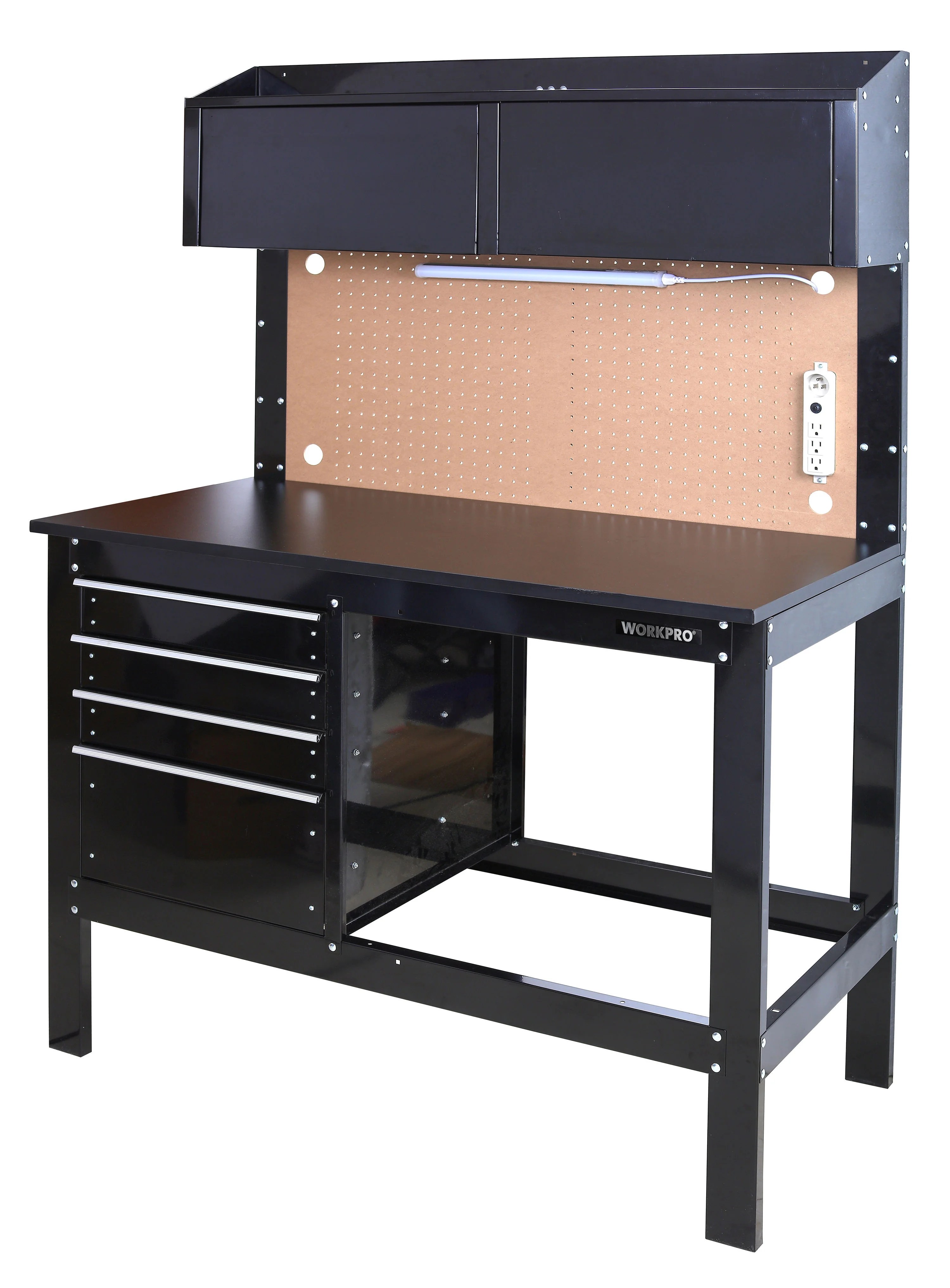
    Workpro 2-in-1 48in Workbench And Cabinet Combo With Work Light

    Workpro 2-in-1 48in workbench and cabinet combo with work light www.walmart.com
    Read More..

    Senin, 22 September 2025

    Ringkasan ini tidak tersedia. Harap klik di sini untuk melihat postingan.
    Read More..

    Sabtu, 20 September 2025

    Linsy home dresser for bedroom, long dresser with 9 drawers and antique handles, chest of www.walmart.com

    Introduction: The Versatile 80+ Inch Dresser Are you struggling with storage space? An 80+ inch dresser is a fantastic solution. This DIY project will guide you through building a spacious and stylish dresser that adds both functionality and aesthetic appeal to any room. We'll break down the process into manageable steps, from planning and gathering materials to assembly and finishing touches. Let's get started!
    Step 1: Planning and Design Before you begin, sketch out your dresser design. Consider the dimensions of your space and how many drawers you want. An 80+ inch dresser usually allows for multiple columns of drawers.
  • Determine the overall width, height, and depth.
  • Plan the number and size of drawers. Consider varying drawer sizes for different storage needs.
  • Decide on the style – modern, rustic, traditional, etc. This will influence your wood choices and hardware.
  • Create a detailed cut list for all the wood pieces you will need. This will help avoid errors later.
  • Step 2: Materials and Tools Gather all the necessary materials and tools. This will save you time and frustration during the building process.
  • Wood (Plywood, solid wood for frame and drawer fronts)
  • Drawer slides
  • Screws, nails, wood glue
  • Wood filler, sandpaper, paint or stain, sealant
  • Measuring tape, pencil, square
  • Saw (circular saw, table saw, or hand saw)
  • Drill with various bits
  • Sander
  • Clamps
  • Safety glasses, dust mask
  • Step 3: Building the Dresser Frame The frame provides the structural support for the entire dresser.
  • Cut the wood pieces according to your cut list.
  • Assemble the side panels. These are typically made of plywood. Use glue and screws for a strong bond.
  • Attach the top and bottom pieces to the side panels, forming a rectangular box. Ensure the frame is square and sturdy.
  • Add a back panel made of plywood. This adds stability and prevents the dresser from racking.
  • Install vertical dividers to create individual bays for the drawers.
  • Step 4: Constructing the Drawers Building the drawers is a crucial step. Precision is key for smooth operation.
  • Cut the drawer sides, front, and back pieces according to your design.
  • Assemble the drawer boxes using glue and screws or nails. Ensure they are square.
  • Attach the drawer bottoms, typically made of plywood, to the drawer boxes.
  • Attach the drawer fronts. Align them carefully and use screws for a secure fit. Consider using adjustable drawer front hardware for easy alignment.
  • Step 5: Installing Drawer Slides Properly installed drawer slides are essential for smooth drawer operation.
  • Attach the drawer slides to the inside of the dresser frame, aligning them carefully according to the manufacturer's instructions.
  • Attach the corresponding slides to the sides of the drawer boxes.
  • Test the drawer slides to ensure they are aligned correctly and the drawers slide smoothly.
  • Step 6: Sanding and Finishing Sanding and finishing will give your dresser a polished and professional look.
  • Sand all surfaces of the dresser, starting with a coarse grit sandpaper and gradually moving to a finer grit.
  • Fill any holes or imperfections with wood filler and sand smooth.
  • Apply paint, stain, or a combination of both, according to your design.
  • Apply a sealant or top coat to protect the finish and enhance durability.
  • Step 7: Hardware Installation and Final Assembly Add the finishing touches to complete your dresser.
  • Install drawer pulls or knobs.
  • Double-check all screws and connections to ensure everything is secure.
  • Clean the dresser and inspect for any imperfections.
  • Position the dresser in its designated space.
  • Conclusion: Enjoy Your Custom-Built Dresser Congratulations! You've successfully built a custom 80+ inch dresser. This project provides ample storage space and adds a personalized touch to your home. Enjoy the satisfaction of knowing you built it yourself! With proper care, your dresser will provide years of reliable storage and stylish design.

    Walker Edison Classic Mid-century Modern 6-drawer Solid Wood Dresser, Walnut

    Walker edison classic mid-century modern 6-drawer solid wood dresser, walnut www.pinterest.com

    Aamerica Westlake Transitional 10-drawer Dresser With Felt Lined Top Drawers

    Aamerica westlake transitional 10-drawer dresser with felt lined top drawers www.wayside-furniture.com

    Linsy Home Dresser For Bedroom, Long Dresser With 9 Drawers And Antique Handles, Chest Of

    Linsy home dresser for bedroom, long dresser with 9 drawers and antique handles, chest of www.walmart.com
    Read More..

    Jumat, 19 September 2025

    Wooden desk with storage drawers www.aptdeco.com

    ```html
    Introduction: The Foldable Wooden Desk Dream
    Are you short on space but need a dedicated workspace? A foldable wooden desk with drawers and storage is the perfect solution. This DIY project provides a functional and attractive desk that can be easily stowed away when not in use. This guide will walk you through the process step-by-step.
    Materials & Tools: Getting Ready to Build
    Before you begin, gather your materials and tools. This will make the process much smoother. Here's what you'll need:
  • Wood: Plywood (for the desktop, drawer boxes, and storage shelves), solid wood (for the frame and legs). Consider pine, oak, or maple depending on your desired look and budget.
  • Hardware: Screws (various sizes), hinges (for the folding mechanism), drawer slides, drawer knobs or pulls, wood glue, sandpaper (various grits), wood stain or paint, varnish or sealant.
  • Tools: Measuring tape, pencil, saw (circular saw, jigsaw, or hand saw), drill, screwdriver, wood clamps, sander, safety glasses, dust mask.
  • Make sure to measure the space where your desk will be used to determine the dimensions needed before cutting the wood.
    Step 1: Cutting the Wood Pieces
    Carefully measure and cut all the wood pieces according to your design. It's crucial to be accurate to ensure the desk assembles properly. Here's a basic breakdown of pieces you'll likely need:
  • Desktop: One large piece of plywood
  • Legs: Four pieces of solid wood (ensure they are the same length)
  • Frame: Pieces of solid wood to connect the legs and support the desktop
  • Drawer Fronts: Plywood or solid wood
  • Drawer Sides, Back, and Bottom: Plywood
  • Storage Shelves: Plywood (determine the number of shelves based on your design)
  • Mark all pieces clearly for easy identification during assembly.
    Step 2: Building the Frame and Legs
    Assemble the frame that will support the desktop. Use wood glue and screws to connect the frame pieces. Make sure the frame is square and sturdy. Next, attach the legs to the frame. Again, use wood glue and screws for a strong connection. Reinforce the joints with corner braces if needed for added stability. Ensure all four legs are the same length so the desk is level.
    Step 3: Creating the Folding Mechanism
    This is a crucial step that determines the desk's foldability. The most common method involves hinges.
  • Attach hinges to the legs and the frame in a way that allows the legs to fold inward.
  • Consider using locking hinges or latches to keep the legs securely in place when the desk is in use.
  • Test the folding mechanism to ensure it works smoothly and securely. Adjust the hinge placement if necessary.
    Step 4: Constructing the Drawers
    Assemble the drawer boxes using wood glue and screws. Ensure the boxes are square. Attach the drawer slides to the drawer boxes and the desk frame according to the manufacturer's instructions. Attach the drawer fronts to the drawer boxes. Make sure they are aligned properly. Install the drawer knobs or pulls. Test the drawers to ensure they slide smoothly and close completely.
    Step 5: Adding Storage Shelves
    Cut plywood to the desired size and shape for the storage shelves. Attach the shelves to the desk frame using wood glue and screws. Consider using adjustable shelf supports if you want the flexibility to change the shelf height later. Reinforce the shelves with shelf supports, especially for heavier items.
    Step 6: Attaching the Desktop
    Position the desktop on top of the frame. Center it carefully. Attach the desktop to the frame using screws. Countersink the screws to create a flush surface. Consider using pilot holes to prevent the wood from splitting.
    Step 7: Sanding and Finishing
    Sand all surfaces of the desk smooth, starting with a coarser grit sandpaper and gradually moving to finer grits. Pay special attention to edges and corners. Apply wood stain or paint to the desk, following the manufacturer's instructions. Allow the stain or paint to dry completely. Apply a varnish or sealant to protect the finish and enhance its durability. Sand lightly between coats for a smoother finish.
    Step 8: Final Assembly and Adjustments
    Once the finish is dry, inspect the desk for any imperfections. Make any necessary adjustments. Test the folding mechanism, drawers, and storage shelves one last time. Ensure everything functions properly and securely.
    Conclusion: Enjoy Your Foldable Desk!
    Congratulations! You've successfully built a foldable wooden desk with drawers and storage. Enjoy your new workspace, and the space-saving convenience it provides. This project showcases the perfect blend of functionality, style, and DIY satisfaction.
    ```

    Wooden Desk With Drawers: A Comprehensive Guide

    Wooden desk with drawers: a comprehensive guide www.migeof.com

    Foldable Office Desk

    Foldable office desk completestoragesolutions.com.au

    Wooden Desk With Storage Drawers

    Wooden desk with storage drawers www.aptdeco.com
    Read More..

    Kamis, 18 September 2025

    Wooden storage chest 6 drawers by ohiopicker on etsy www.etsy.com

    Opening: The Charm of DIY Wooden Storage Chests Crafting your own wooden storage chest with drawers is a rewarding project that combines functionality with rustic charm. Not only do you get a unique piece of furniture tailored to your specific needs and style, but you also gain the satisfaction of building something with your own hands. This step-by-step guide will walk you through the process, from gathering materials to putting the finishing touches on your chest.
    Step 1: Planning and Design Before diving into the construction, careful planning is crucial. Consider the dimensions you need, the number of drawers, and the overall aesthetic you desire. A sketch or a simple digital design will help visualize the final product. Think about the type of wood you want to use (pine, oak, cedar, etc.) and how it will complement your existing décor. Also, decide on the type of drawer slides and hardware you want to incorporate.
    Step 2: Gathering Materials and Tools Here's a basic list of materials you'll likely need:
  • Wood (for the chest body, drawers, and framing)
  • Drawer slides
  • Wood glue
  • Screws or nails
  • Sandpaper (various grits)
  • Wood stain or paint (optional)
  • Varnish or sealant (optional)
  • Drawer pulls or knobs
  • Essential tools include:
  • Measuring tape
  • Saw (circular saw, miter saw, or hand saw)
  • Drill/Driver
  • Sander
  • Clamps
  • Square
  • Pencil
  • Safety glasses
  • Step 3: Cutting the Wood Based on your design, cut the wood pieces to the required dimensions. Accuracy is paramount here, as precise cuts will ensure a sturdy and well-aligned chest. Label each piece as you cut it to avoid confusion later on. Typically, you'll need pieces for:
  • The chest's base, top, sides, and back.
  • Drawer fronts, sides, backs, and bottoms.
  • Framing for drawer supports (if needed).
  • Step 4: Assembling the Chest Body Start by assembling the main body of the chest. Use wood glue and screws (or nails) to join the side panels to the base. Ensure the corners are square before the glue sets. Then, attach the back panel. Finally, add the top panel, again using glue and screws. Clamps are essential during this process to hold the pieces together while the glue dries.
    Step 5: Building the Drawers Construct the drawers by attaching the sides to the front and back pieces using glue and screws. Then, slide in the drawer bottoms (typically thin plywood). Ensure the drawers are square and the joints are strong. Consider using a jig for consistent drawer construction.
    Step 6: Installing Drawer Slides Follow the instructions provided with your drawer slides to install them properly. Accurately positioning the slides is crucial for smooth drawer operation. Attach one part of the slide to the inside of the chest and the other to the sides of the drawers.
    Step 7: Sanding and Finishing Sand all surfaces of the chest and drawers, starting with a coarser grit sandpaper and gradually moving to finer grits. This will create a smooth surface for staining or painting. Once sanded, apply your chosen finish (stain, paint, varnish, or sealant) according to the manufacturer's instructions. Allow each coat to dry completely before applying the next.
    Step 8: Adding Hardware Install the drawer pulls or knobs to the drawer fronts. This adds both functionality and visual appeal to your storage chest. Choose hardware that complements the overall style of the chest.
    Conclusion: Enjoy Your Handcrafted Creation Congratulations! You've successfully built your own wooden storage chest with drawers. This DIY project is not only a testament to your craftsmanship but also a functional and beautiful addition to your home. Admire your handiwork and enjoy the organized space your new chest provides.

    Handcrafted 9 Ceramic Drawers Chest With Wooden Box

    Handcrafted 9 ceramic drawers chest with wooden box shopipersia.com

    Handcrafted 6 Ceramic Drawers Chest With Wooden Box

    Handcrafted 6 ceramic drawers chest with wooden box shopipersia.com

    Wooden Storage Chest 6 Drawers By Ohiopicker On Etsy

    Wooden storage chest 6 drawers by ohiopicker on etsy www.etsy.com
    Read More..

    Rabu, 17 September 2025

    (woodworking) workbench www.scribd.com

    ```html
    Introduction: Building Your Own Ultimate Workbench Building your own workbench is a rewarding project for any woodworker. It allows you to customize the dimensions, features, and materials to perfectly suit your needs and workspace. This guide will walk you through the steps to create a sturdy and functional workbench that will last for years.
    Step 1: Planning and Design Before you start cutting wood, it's crucial to have a solid plan.
  • Determine the Size: Consider the space available in your workshop and the types of projects you'll be working on. A common size is 6 feet long, 2-3 feet wide, and 34-36 inches high, but adjust accordingly.
  • Choose Your Materials: Softwoods like pine are cheaper, but hardwoods like maple or oak are more durable. Consider using construction lumber for the base and a hardwood top for a good balance of cost and performance.
  • Draw a Detailed Plan: Sketch out the dimensions and placement of all components, including the legs, aprons, stretchers, and any features you want to add, such as drawers, shelves, or a vise.
  • Step 2: Gathering Materials and Tools Once you have your plan, gather all the necessary materials and tools.
  • Lumber: Purchase the lumber according to your plan's dimensions. Get slightly more than you need to account for mistakes and waste.
  • Fasteners: Screws, bolts, and wood glue will be essential for assembling the workbench. Choose appropriate sizes and types for the different components.
  • Tools: You'll need a saw (circular saw, table saw, or hand saw), a drill/driver, a measuring tape, a square, clamps, safety glasses, and hearing protection. A planer and jointer are helpful for preparing the lumber, but not essential if you purchase pre-dimensioned lumber.
  • Step 3: Building the Base The base provides the structural support for the workbench.
  • Cut the Legs: Cut four legs to the desired height of your workbench. Ensure they are all the same length.
  • Prepare the Aprons: Cut the aprons (the pieces that connect the legs) to the correct length. The aprons add rigidity to the base.
  • Assemble the Frame: Use glue and screws or bolts to attach the aprons to the legs. Ensure the frame is square by using a square tool.
  • Add Stretchers (Optional): Stretchers are horizontal pieces that connect the legs near the bottom. They add even more stability and can serve as a base for a shelf. Cut and attach the stretchers using glue and screws.
  • Step 4: Constructing the Workbench Top The workbench top is the work surface and should be durable and flat.
  • Prepare the Lumber: If you're using multiple boards to create the top, joint and plane them to ensure they are flat and square.
  • Glue Up the Top: Apply glue evenly to the edges of the boards and clamp them together tightly. Allow the glue to dry completely (usually 24 hours).
  • Flatten the Top: Once the glue is dry, remove the clamps. Use a hand plane or sander to flatten the top surface.
  • Attach the Top to the Base: Position the base onto the underside of the workbench top. Attach the top to the base using screws or bolts. Be sure to pre-drill pilot holes to prevent splitting the wood.
  • Step 5: Adding Features and Finishing This is where you can personalize your workbench.
  • Install a Vise (Optional): A vise is a useful addition for clamping workpieces. Install it according to the manufacturer's instructions.
  • Add Drawers or Shelves (Optional): Build and install drawers or shelves to provide storage for tools and materials.
  • Apply a Finish: Apply a protective finish to the workbench to protect it from moisture and wear. Options include polyurethane, varnish, or oil.
  • Conclusion: Enjoy Your New Workbench! Congratulations on building your own workbench! This project provides a solid and customizable workspace for all your future woodworking endeavors. Remember to maintain your workbench by keeping it clean and occasionally re-applying the finish.
    ```

    Woodworking Workbench Design Plans Free Pdf Download

    Woodworking workbench design plans free pdf download freewoodplans.web.fc2.com

    (woodworking) Workbench

    (woodworking) workbench www.scribd.com

    Free Workbench Plans

    Free workbench plans www.scribd.com
    Read More..

    Selasa, 16 September 2025

    Magazine www.finewoodworking.com

    Introduction: Building a Simple Birdhouse Are you looking for a fun and rewarding DIY project? Building a birdhouse is a fantastic way to attract feathered friends to your backyard and enjoy the beauty of nature. This guide will walk you through the process of constructing a basic birdhouse using readily available materials and tools. Let's get started!
    Step 1: Gathering Materials Before you begin, gather the necessary materials. This will ensure a smooth and efficient building process. You will need:
  • A piece of untreated wood (pine or cedar are good choices, avoid pressure-treated wood) approximately 6" x 36" x 3/4"
  • Wood glue
  • Small nails or screws (1" or 1 1/4" should work)
  • Sandpaper (various grits)
  • Exterior wood sealant or paint (optional)
  • Step 2: Tools Required Now, let's assemble the tools you'll need for this project:
  • Saw (hand saw, jigsaw, or circular saw)
  • Measuring tape or ruler
  • Pencil
  • Drill (with various drill bits, including one for pilot holes and one for the entrance hole)
  • Hammer or screwdriver
  • Clamps (optional, but helpful)
  • Safety glasses
  • Step 3: Cutting the Wood Pieces Based on the single piece of wood you have you need to carefully measure and cut the following components. Use the pencil and ruler to ensure accurate cuts. *Always wear safety glasses when cutting wood*. These dimensions are approximate and can be adjusted based on your preferences.
  • Front: 6" wide x 8" tall
  • Back: 6" wide x 10" tall (the extra length provides an overhang for mounting)
  • Sides (2 pieces): 6" wide x 7" tall, angled on one side from 7" to 5.5"
  • Bottom: 4" wide x 6" long
  • Roof (2 pieces): 4.5" wide x 7" long
  • Step 4: Assembling the Birdhouse Now it's time to put the pieces together.
  • Apply wood glue to the edges of the bottom piece.
  • Attach the side pieces to the bottom, ensuring they are flush. Clamp them together if possible, and secure with nails or screws.
  • Glue and attach the front piece to the bottom and sides. Secure with nails or screws.
  • Glue and attach the back piece to the bottom and sides. Secure with nails or screws.
  • Step 5: Adding the Roof The roof is essential for protecting the birds from the elements.
  • Apply wood glue to the top edges of the front, back, and side pieces.
  • Attach the roof pieces, ensuring they overhang the sides and front slightly. Secure with nails or screws.
  • Step 6: Creating the Entrance Hole The entrance hole size will determine which bird species will use your birdhouse. A 1 1/2" diameter hole is good for wrens, chickadees, and nuthatches.
  • Use a drill with a 1 1/2" drill bit to create the entrance hole in the center of the front piece, approximately 2" from the top.
  • Drill a smaller pilot hole beneath the entrance for a perch if desired. A small dowel rod can be glued into the pilot hole later. (However, many experts recommend against perches as they can aid predators).
  • Step 7: Sanding and Finishing Sanding and finishing will give your birdhouse a polished look and protect it from the elements.
  • Sand all the edges and surfaces of the birdhouse to remove splinters and rough spots. Start with a coarser grit sandpaper and work your way to a finer grit.
  • Apply an exterior wood sealant or paint to the birdhouse to protect it from the weather. Choose a light, natural color, as dark colors can overheat the birdhouse. (Consider skipping paint altogether for a more natural look).
  • Allow the sealant or paint to dry completely according to the manufacturer's instructions.
  • Step 8: Mounting the Birdhouse Choose a suitable location for your birdhouse. Mount it on a pole, tree, or fence post, ideally facing away from prevailing winds. Make sure it's securely attached. The extra length of the back piece can be used for easy mounting, or you can attach a mounting bracket.
    Conclusion: Enjoy Your New Birdhouse Congratulations! You've successfully built your own birdhouse. Now sit back and enjoy watching the birds move in and make it their home. Remember to clean out the birdhouse annually after the nesting season is over to keep it a healthy and welcoming environment for your feathered friends. Happy birding!

    Magazine

    Magazine www.finewoodworking.com

    Magazine

    Magazine www.finewoodworking.com

    Fine Woodworking Magazine Subscriber Services

    Fine woodworking magazine subscriber services fine-woodworking.magazinesubscriberservices.com
    Read More..