Minggu, 31 Agustus 2025

Modern picnic table woodworking plans housefulofhandmade.com

Opening: Building Your Own Picnic Table A Rewarding DIY Project
Picnic tables are a backyard staple, providing a perfect spot for outdoor meals, games, and gatherings. Building your own picnic table not only saves you money but also allows you to customize the size, style, and materials to perfectly fit your needs and preferences. This step-by-step guide will walk you through the process, ensuring a successful and enjoyable DIY project.
Step 1: Gathering Your Materials and Tools
Before you begin, you'll need to gather the necessary materials and tools. The amount of lumber will depend on the size of the picnic table you plan to build. For a standard 6-foot picnic table, you'll typically need the following:
  • Pressure-treated lumber (2x4s, 2x6s, 4x4s)
  • Exterior-grade screws (various sizes)
  • Exterior wood glue
  • Sandpaper (various grits)
  • Wood stain or sealant (optional)
  • Measuring tape
  • Pencil
  • Circular saw or hand saw
  • Drill with drill bits and screw driving bits
  • Clamps
  • Safety glasses
  • Ear protection
  • Step 2: Cutting the Lumber
    Using your measuring tape, pencil, and saw, cut the lumber according to your plan. A basic 6-foot picnic table usually requires:
  • Tabletop planks (typically 2x6s, cut to 6 feet long)
  • Seat planks (typically 2x6s, cut to 6 feet long)
  • Legs (typically 4x4s, cut to a specific height, usually around 29 inches)
  • Support braces (typically 2x4s, cut to varying lengths for the frame and legs)
  • Aprons (typically 2x4s, cut to the length of the tabletop and seats)
  • Remember to double-check your measurements before cutting to avoid mistakes. Accurate cuts are crucial for a stable and aesthetically pleasing picnic table.
    Step 3: Assembling the Tabletop
    Lay the tabletop planks side-by-side on a flat surface. Apply wood glue to the edges of the planks and clamp them together. Secure the planks with screws through the aprons. The aprons should run perpendicular to the planks, providing structural support and creating the frame for the tabletop. Ensure the screws are countersunk to prevent any sharp edges.
    Step 4: Building the Seat Assemblies
    Repeat the process for the seat assemblies. Lay the seat planks side-by-side, apply wood glue, clamp them together, and secure them with aprons using screws. Ensure the seat assemblies are the same length as the tabletop.
    Step 5: Attaching the Legs
    Attach the legs to the underside of the tabletop. Position the legs evenly spaced and use screws and wood glue to secure them to the aprons. Add support braces between the legs and the aprons for added stability. Angle the braces slightly to provide better support. Ensure the legs are plumb (perfectly vertical) before securing them completely.
    Step 6: Attaching the Seat Assemblies
    Attach the seat assemblies to the legs. Position the seat assemblies on either side of the tabletop, ensuring they are at a comfortable height. Use screws and wood glue to secure them to the legs. Add additional support braces between the seat assemblies and the legs for added stability.
    Step 7: Sanding and Finishing
    Once the picnic table is assembled, sand all surfaces to smooth out any rough edges or splinters. Start with a coarse grit sandpaper and gradually move to finer grits. Once sanded, apply a wood stain or sealant to protect the wood from the elements and enhance its appearance. Follow the manufacturer's instructions for application and drying times.
    Conclusion: Enjoy Your New Picnic Table
    Congratulations, you've successfully built your own picnic table! This rewarding DIY project has not only provided you with a functional piece of outdoor furniture but also allowed you to customize it to your specific needs and preferences. Now, gather your friends and family and enjoy many memorable meals and gatherings around your new picnic table.

    Vintage Woodworking Plans: Picnic Table With Benches

    Vintage woodworking plans: picnic table with benches www.etsy.com

    Diy Picnic Table Woodworking Plans Picnic Table Plan Outdoor Table Design Patio Ideas Outdoor

    Diy picnic table woodworking plans picnic table plan outdoor table design patio ideas outdoor www.etsy.com

    Modern Picnic Table Woodworking Plans

    Modern picnic table woodworking plans housefulofhandmade.com
    Read More..

    Sabtu, 30 Agustus 2025

    Decorative shelf wall manufacturer kangjiearts.com

    Introduction: Adding Style and Storage with a DIY Decorative Wall Shelf This guide provides step-by-step instructions for creating a stylish and functional decorative wall shelf. Whether you need extra storage in your living room, bedroom, or office, a DIY shelf offers a personalized touch and a rewarding crafting experience. Let's get started!
    Materials and Tools You'll Need: Before you begin, gather the following materials and tools:
    • Wood planks (choose your desired length, width, and thickness)
    • Sandpaper (various grits)
    • Wood stain or paint (optional)
    • Wood sealant or varnish (optional)
    • Screws or nails
    • Wood glue
    • Drill or hammer
    • Level
    • Measuring tape
    • Pencil
    • Safety glasses
    • Dust mask
    • Clamps (optional, but helpful)
    Step 1: Prepare the Wood First, cut the wood planks to your desired dimensions. Sand all surfaces of the wood, starting with a coarser grit sandpaper (e.g., 80-grit) and gradually moving to finer grits (e.g., 120-grit, then 220-grit). This will ensure a smooth finish. Wipe away any sanding dust with a clean cloth. If you plan to stain or paint the wood, do so now, following the manufacturer's instructions. Allow the stain or paint to dry completely before proceeding. If desired, apply a wood sealant or varnish to protect the finish.
    Step 2: Assemble the Shelf Structure Determine the desired configuration of your shelf. For a simple shelf, you'll have a top, bottom, and potentially sides or supports. Apply wood glue to the edges of the pieces you want to join. Clamp the pieces together (if possible) and secure them with screws or nails. Ensure the corners are square by using a square or measuring the diagonals. Let the glue dry completely according to the glue manufacturer's instructions.
    Step 3: Reinforce the Joints For added strength, consider adding corner braces or support brackets to the inside corners of the shelf. Attach these with screws and wood glue. This will provide additional stability, especially if you plan to place heavier items on the shelf.
    Step 4: Finishing Touches Once the glue is dry and the shelf is assembled, inspect all joints and surfaces for any imperfections. Sand down any rough spots and touch up the stain or paint if necessary. Apply another coat of sealant or varnish for added protection.
    Step 5: Mounting the Shelf Locate the wall studs where you want to mount the shelf. Use a stud finder to identify the studs accurately. Mark the desired location for the shelf. Use a level to ensure the shelf will be mounted straight. Drill pilot holes into the wall studs at the marked locations. Attach the shelf to the wall using appropriate screws. For added support, consider using wall anchors if you can't screw directly into a stud.
    Conclusion: Enjoy Your New Decorative Wall Shelf Congratulations! You've successfully built your own decorative wall shelf. Now you can add your favorite books, plants, photos, and other decorative items to personalize your space and enjoy the added storage and style that your new shelf provides. Remember to always prioritize safety and take your time to ensure a well-crafted and sturdy shelf.

    Decorative Wooden Wall Shelf

    Decorative wooden wall shelf www.interiorflair.co.uk

    Decorative Shelf Wall Manufacturer

    Decorative shelf wall manufacturer kangjiearts.com

    Wooden Decorative Wall Shelf

    Wooden decorative wall shelf hawk-haven.com
    Read More..

    Jumat, 29 Agustus 2025

    Jigsaw puzzle table woodworking plans woodworkingathome.blogspot.com

    Opening: The Ultimate DIY Puzzle Table Guide Want to ditch the floor and reclaim your dining table? A DIY puzzle table is the perfect solution! This guide will walk you through building a simple yet effective puzzle table, complete with easy-to-follow steps. Get ready to create a dedicated space for your puzzling passion!
    Materials You'll Need Before we dive in, gather these essential materials:
  • Plywood sheet (size depends on your puzzle size – measure your largest puzzle!)
  • 1x2 lumber (for the frame)
  • Wood glue
  • Screws (1 1/4 inch)
  • Sandpaper (various grits – 120, 220)
  • Wood finish (paint, stain, polyurethane, etc.)
  • Optional: Felt or fabric for lining the puzzle surface
  • Tools Required Make sure you have these tools on hand:
  • Saw (circular saw, jigsaw, or hand saw)
  • Drill/Driver
  • Measuring tape
  • Square
  • Clamps
  • Sanding block or power sander
  • Paintbrush or rag (for applying finish)
  • Step 1: Cutting the Plywood Carefully measure and cut the plywood sheet to the desired size for your puzzle table surface. Remember to add a little extra space around your largest puzzle to allow for border pieces. Use a saw appropriate for the thickness of your plywood.
    Step 2: Building the Frame Cut the 1x2 lumber into four pieces to create the frame. You'll need two pieces for the length and two for the width of your plywood surface. Ensure the frame pieces are square and that the inner dimensions of the frame match the outer dimensions of your plywood.
    Step 3: Assembling the Frame Apply wood glue to the edges of the 1x2 frame pieces where they will join. Clamp the pieces together, ensuring they form a perfect rectangle or square. Reinforce the joints with screws. Pre-drilling pilot holes can prevent the wood from splitting.
    Step 4: Attaching the Frame to the Plywood Apply wood glue to the top of the frame. Carefully position the plywood sheet on top of the glued frame, ensuring it's centered. Clamp the plywood to the frame and secure it with screws from the underside of the frame into the plywood. Again, pre-drilling pilot holes is recommended.
    Step 5: Sanding and Finishing Once the glue has dried, sand the entire puzzle table surface and frame. Start with 120-grit sandpaper to remove any rough edges or imperfections, then move to 220-grit for a smooth finish. Apply your chosen wood finish according to the manufacturer's instructions. Allow the finish to dry completely.
    Step 6: Adding Felt (Optional) If desired, cut a piece of felt or fabric to fit the puzzle surface. Apply spray adhesive or wood glue to the back of the felt and carefully attach it to the plywood surface. This will prevent the puzzle pieces from sliding around.
    Conclusion: Enjoy Your New Puzzle Space! Congratulations! You've successfully built your own DIY puzzle table. Now you can enjoy puzzling without taking over the dining room or struggling on the floor. Customize your table with different finishes, sizes, or even add legs for a freestanding option. Happy puzzling!

    Jigsaw Puzzle Table Woodworking Plans

    Jigsaw puzzle table woodworking plans woodworkingathome.blogspot.com

    Diy Jigsaw Puzzle Table Plans: The Puzzle Table

    Diy jigsaw puzzle table plans: the puzzle table thepuzzletable.com

    Diy Jigsaw Puzzle Table Plans: The Puzzle Table

    Diy jigsaw puzzle table plans: the puzzle table thepuzzletable.com
    Read More..

    Kamis, 28 Agustus 2025

    Build wooden queen bed frame plans free pdf download woodpdfplans.web.fc2.com

    ```html
    Introduction: Build Your Own DIY Bed Frame
    Creating your own bed frame is a rewarding project that allows you to customize it to your exact needs and style preferences. This guide will walk you through the process of building a sturdy and stylish wooden bed frame. This project can be tailored to fit any size mattress, from twin to king. Remember to adjust measurements accordingly for your desired mattress size.
    Materials and Tools
    Before you begin, gather all the necessary materials and tools:
    • Wood: Choose your desired type of wood. Pine is a budget-friendly option, while hardwoods like oak or maple offer greater durability and a more refined look. (Consider the desired dimensions of your bed frame and mattress size. A queen-size mattress requires different dimensions compared to a twin.)
    • Wood screws: Various sizes, including 2-inch and 3-inch screws.
    • Wood glue.
    • Sandpaper: Various grits (e.g., 80, 120, 220).
    • Wood finish: Stain, paint, varnish, or sealant of your choice.
    • Measuring tape.
    • Pencil.
    • Safety glasses.
    • Ear protection.
    • Miter saw (or hand saw).
    • Drill with drill bits and screw bits.
    • Sander (optional, but recommended).
    • Clamps.
    • Level.
    Step 1: Planning and Cutting the Wood
    First, determine the dimensions of your mattress. Add a small allowance (typically 1-2 inches) to each side for bedding. This will be the inside dimension of your bed frame. Decide on the height of your headboard, footboard, and side rails. Cut the wood according to your planned dimensions. Typical pieces include:
    • Two side rails (length of your mattress plus allowance).
    • One headboard (width of your mattress plus allowance).
    • One footboard (width of your mattress plus allowance).
    • Support slats (number depends on slat spacing, typically 2-4 inches apart).
    • Legs (four legs, desired height).
    • Corner braces (if desired, for added strength).
    Accurate measurements and precise cuts are crucial for a well-fitting bed frame.
    Step 2: Assembling the Frame
    Begin by attaching the legs to the inside corners of the headboard and footboard. Use wood glue and screws to secure them. Clamp the pieces together while the glue dries. Next, attach the side rails to the headboard and footboard. Again, use wood glue and screws. Ensure the frame is square by measuring diagonally across the corners; the measurements should be equal. Add corner braces if desired for extra reinforcement. Clamp the frame together and allow the glue to dry completely.
    Step 3: Installing the Support Slats
    The support slats provide a base for your mattress. Evenly space the slats across the frame, ensuring they are adequately supported. Attach them to the side rails using screws. The slat spacing will affect the overall support for the mattress; closer spacing generally provides better support. Consider adding a center support rail if you are building a larger bed frame (Queen, King) to prevent sagging.
    Step 4: Sanding and Finishing
    Once the frame is assembled and the glue is dry, sand all surfaces to create a smooth finish. Start with a coarser grit sandpaper (e.g., 80 grit) and gradually move to finer grits (e.g., 120, 220). Wipe away any sanding dust with a tack cloth. Apply your desired finish, such as stain, paint, varnish, or sealant, according to the manufacturer's instructions. Multiple coats may be necessary for optimal protection and appearance. Allow the finish to dry completely between coats.
    Conclusion: Your Custom Bed Frame
    Congratulations, you have successfully built your own DIY bed frame! This project not only saves you money but also provides a unique and personalized piece of furniture for your bedroom. Enjoy the comfort and satisfaction of sleeping on a bed frame you built yourself. Remember to regularly inspect your bed frame and tighten any loose screws to ensure its longevity.
    ```

    Woodworking Plans Bed

    Woodworking plans bed ar.inspiredpencil.com

    Build Wooden Queen Bed Frame Plans Free Pdf Download

    Build wooden queen bed frame plans free pdf download woodpdfplans.web.fc2.com

    Pdfwoodplans Wood King Bed Plans Plans Free Pdf Download

    Pdfwoodplans wood king bed plans plans free pdf download pdfwoodplans.blog.fc2.com
    Read More..

    Rabu, 27 Agustus 2025

    Merinosoft fine promo -50% reduction www.bart-francis.be

    Introduction: Crafting a Fine Woodworking Magazine Display This post will guide you through the process of building a simple yet elegant display for your collection of Fine Woodworking magazines. This project is designed to be achievable for woodworkers of all skill levels and can be adapted to accommodate different magazine sizes or aesthetic preferences. This display will not only keep your magazines organized but also showcase them as a testament to your woodworking passion.
    Materials and Tools: Before you begin, gather the necessary materials and tools. Here's a list to get you started:
  • Wood: Choose a hardwood like maple, cherry, or walnut for a classic look. Softwood like pine can also be used, but may require more care in finishing. The amount of wood will depend on the size of your display; typically 1/2" to 3/4" thickness is suitable.
  • Wood Glue
  • Screws or Nails: Appropriate length and type for your chosen wood.
  • Sandpaper: Various grits, from rough (e.g., 80-grit) to fine (e.g., 220-grit).
  • Wood Finish: Choose a finish that complements your wood and personal style (e.g., varnish, lacquer, oil).
  • Measuring Tape
  • Pencil
  • Saw: Table saw, circular saw, or hand saw depending on your preference and the cuts required.
  • Drill/Driver
  • Clamps
  • Optional: Router (for decorative edges), Sander (for efficient sanding).
  • Step 1: Design and Planning Start by determining the dimensions of your magazine display. Consider how many magazines you want to showcase and the overall footprint you want the display to occupy. Sketch a simple design, including the number of shelves and their spacing. Decide on the overall shape – a simple rectangular box, a tiered design, or something more elaborate. Accurately measure the height, width, and depth of a Fine Woodworking magazine to ensure a snug but not overly tight fit.
    Step 2: Cutting the Wood Using your measurements and design, cut the wood pieces to the required sizes. Typically, this will involve cutting the sides, top, bottom, and shelves. Ensure your cuts are accurate and square for a professional-looking finish. If you're using a table saw, use a miter gauge to ensure square cuts. If using a hand saw, use a speed square as a guide.
    Step 3: Assembling the Frame Begin assembling the frame of the display. This usually involves joining the sides, top, and bottom pieces. Apply wood glue to the joining surfaces and clamp the pieces together. Reinforce the joints with screws or nails. Ensure the frame is square before the glue dries. Check for squareness using a square or by measuring the diagonals.
    Step 4: Installing the Shelves Once the frame is assembled, install the shelves. Measure and mark the shelf positions on the inside of the frame. Apply wood glue to the edges of the shelves and slide them into place. Clamp the shelves to the frame and secure them with screws or nails. Ensure the shelves are level during installation. Use a level to verify before the glue sets.
    Step 5: Sanding and Finishing After the glue has dried, thoroughly sand all surfaces of the display. Start with a rough grit sandpaper (e.g., 80-grit) to remove any imperfections or glue residue. Gradually work your way up to finer grits (e.g., 120-grit, 180-grit, 220-grit) to create a smooth, even surface. Pay particular attention to the edges and corners. Once sanding is complete, apply your chosen wood finish according to the manufacturer's instructions. Multiple coats may be necessary to achieve the desired look and durability. Allow each coat to dry completely before applying the next.
    Step 6: Optional Embellishments Consider adding decorative elements to enhance the appearance of your display. You could use a router to create decorative edges on the frame or shelves. You could also add a back panel to the display. Finally, consider adding feet to the bottom to raise the display off the ground.
    Conclusion: A Stylish Home for Your Magazines Congratulations! You have successfully built a custom magazine display. This project provides a functional and aesthetically pleasing way to showcase your collection of Fine Woodworking magazines. By tailoring the design and finish to your specific needs and preferences, you've created a unique piece that reflects your woodworking skills and appreciation for fine craftsmanship. Now you can proudly display your collection and enjoy the satisfaction of creating something beautiful with your own hands.

    Pochette De 4 Stylos Bic Orange Fine 0.8 Mm Au Meilleur Prix En Tunisie

    Pochette de 4 stylos bic orange fine 0.8 mm au meilleur prix en tunisie spacenet.tn

    Merinosoft Fine Promo -50% Reduction

    Merinosoft fine promo -50% reduction www.bart-francis.be

    Funny Gnome Matching Family Christmas Pajamas Matching With Dog Saying "it's Fine. We're Fine

    Funny gnome matching family christmas pajamas matching with dog saying www.walmart.com
    Read More..

    Selasa, 26 Agustus 2025

    Plant ladder stand americanrootsco.com

    Opening: A Ladder Plant Stand with Extra Storage DIY Project Ready to bring some vertical life and organizational flair into your home? This guide will walk you through building a ladder plant stand complete with storage drawers, shelves, and hooks. This project combines functionality with rustic charm, providing a beautiful display for your plants and a clever solution for storing your gardening tools and accessories. It is important to note that wood dimensions can be altered to fit your personal space but always follow the guidelines to build a sturdy foundation to prevent any safety hazards. Always use safety equipment when working with tools.
    Step 1: Planning and Materials First, plan out the dimensions of your ladder. Consider the height, width, and depth of each shelf. Sketch out a rough design to guide you. Consider the amount of plants you will want to place on the ladder.
  • Lumber: Choose wood that suits your aesthetic (pine, fir, cedar, etc.). You'll need:
  • Two side rails for the ladder (e.g., 1x4s or 2x4s, depending on desired thickness and height).
  • Shelf boards (e.g., 1x6s, 1x8s, or wider depending on desired shelf depth).
  • Drawer fronts, sides, backs, and bottoms.
  • Hooks and screws
  • Wood glue
  • Hardware: Screws, nails, drawer pulls, hinges (if needed).
  • Finishing: Stain, paint, sealant, sandpaper.
  • Tools: Saw, drill, screwdriver, measuring tape, square, sandpaper, paintbrushes/rags, safety glasses.
  • Step 2: Building the Ladder Frame Cut the side rails to the desired length, keeping in mind the overall height you want for your plant stand. Ensure that the rails are cut at the same angle. For a ladder look, the top will be thinner than the bottom, cut the top of the rails on a slight angle. Assemble the basic ladder frame. If using screws, pre-drill holes to prevent the wood from splitting. Use wood glue in addition to screws for a stronger bond.
    Step 3: Adding the Shelves Measure and cut the shelf boards to the appropriate widths. The shelves typically get deeper as you go down the ladder. Attach the shelves to the ladder frame. Ensure they are level. Use wood glue and screws. Sand down any rough edges on the shelves and the ladder frame.
    Step 4: Constructing the Drawers Measure the space available for the drawers under one or more shelves. Design the drawers to fit snugly into these spaces. Cut the drawer fronts, sides, backs, and bottoms to the appropriate sizes. Assemble the drawer boxes using wood glue and nails or screws. Attach the drawer fronts to the drawer boxes. If desired, add drawer pulls or knobs.
    Step 5: Installing the Drawers and Hooks Slide the drawer boxes into their designated spaces under the shelves. If necessary, install drawer slides for smoother operation. Attach hooks to the sides of the ladder frame or under the shelves. Choose hooks that are suitable for hanging small gardening tools or other items.
    Step 6: Finishing Touches Sand the entire plant stand to create a smooth surface. Apply stain, paint, or a combination of both to achieve the desired look. Allow the finish to dry completely. Apply a sealant to protect the wood from moisture and the elements, especially if you plan to use the plant stand outdoors.
    Conclusion: Enjoy Your New Plant Stand Congratulations, you have successfully built a ladder plant stand with storage, hooks, and drawers. Place your plants, gardening tools, and other accessories. Enjoy the enhanced aesthetic and functionality of your beautiful, handmade creation. The customization options are endless, allowing you to create a truly unique piece that reflects your personal style and meets your specific needs.

    Æ— Wooden Ladder Plant Stand,2 Tier Foldable Freestanding Flower Pot Rack Plant Display Shelf

    Æ— wooden ladder plant stand,2 tier foldable freestanding flower pot rack plant display shelf bigamart.com

    Doeworks 4 Tier Metal Plant Stand, Ladder-shaped Storage Rack Stand Shelf,shoe Organizer

    Doeworks 4 tier metal plant stand, ladder-shaped storage rack stand shelf,shoe organizer www.nellisauction.com

    Plant Ladder Stand

    Plant ladder stand americanrootsco.com
    Read More..

    Senin, 25 Agustus 2025

    Woodworking wallpapers wallpaperaccess.com

    Opening: Embrace Relaxation with a DIY Adirondack Rocking Chair Transform your outdoor space into a haven of tranquility with a handcrafted Adirondack rocking chair. This guide will walk you through building your own, providing detailed steps and tips for a rewarding woodworking experience. Get ready to enjoy countless hours of comfortable relaxation in your custom-built rocker!
    Step 1: Gather Your Materials and Tools Before diving into the construction, ensure you have everything you need.
  • Wood: Select weather-resistant wood like cedar, redwood, or treated pine. The plans will specify the board footage needed.
  • Fasteners: Opt for stainless steel or exterior-grade screws to prevent rust.
  • Tools: Essential tools include a saw (circular, jigsaw, or hand saw), drill, sander, measuring tape, pencil, safety glasses, and a square. A router and clamps are helpful but not strictly necessary.
  • Step 2: Print and Understand the Plans Carefully study the Adirondack rocking chair plans you downloaded. Pay close attention to the dimensions, angles, and assembly order. This step is crucial for a successful build.
    Step 3: Cut the Wood Pieces Using the plans as a guide, measure and cut all the wood pieces according to the specified dimensions. Double-check your measurements before making any cuts to avoid errors.
    Step 4: Sand All Surfaces Thoroughly sand all the wood pieces, paying attention to edges and corners. This will create a smooth finish and prevent splinters. Start with a coarser grit sandpaper (80-120) and gradually move to a finer grit (220).
    Step 5: Assemble the Seat Frame Begin by assembling the seat frame according to the plans. Use screws and wood glue to create a strong and durable joint. Clamp the pieces together while the glue dries.
    Step 6: Attach the Seat Slats Attach the seat slats to the seat frame, spacing them evenly according to the plans. Use screws to secure the slats in place.
    Step 7: Construct the Back Frame Assemble the back frame, ensuring it's square and sturdy. Use screws and glue, and clamp the pieces together while the glue dries.
    Step 8: Attach the Back Slats Attach the back slats to the back frame, spacing them evenly as per the plans. Use screws to fasten them securely.
    Step 9: Assemble the Arms Attach the arms to the seat and back assembly. Ensure they are level and securely fastened with screws and glue.
    Step 10: Build the Rockers Carefully shape and attach the rockers to the bottom of the chair legs. This step requires precision to ensure smooth rocking motion. Consider using a template to ensure both rockers are identical.
    Step 11: Final Sanding and Finishing Perform a final sanding to smooth any rough edges or imperfections. Then, apply a weather-resistant finish, such as paint, stain, or sealant, to protect the wood from the elements. Follow the manufacturer's instructions for application and drying time.
    Conclusion: Enjoy Your Handcrafted Rocking Chair Congratulations! You've successfully built your own Adirondack rocking chair. Place it on your porch, patio, or deck and enjoy the comfort and relaxation it provides. Remember to maintain your chair with regular cleaning and re-application of the finish to ensure its longevity.

    The 9 Best Woodworking Tools Of 2022

    The 9 best woodworking tools of 2022 www.thespruce.com

    Woodworking Wallpapers

    Woodworking wallpapers wallpaperaccess.com

    24 Must-have Woodworking Tools For Your Workshop

    24 must-have woodworking tools for your workshop www.grainger.com
    Read More..

    Minggu, 24 Agustus 2025

    Workbench lighting www.trainboard.com

    Opening: Brighten Your Workspace: DIY Workbench with Integrated Lighting! Looking for a well-lit and functional workspace? Building your own workbench with integrated lighting is a fantastic way to customize your setup and improve your productivity. This guide walks you through the process step-by-step, from gathering materials to installing the lights. Get ready to create the ultimate DIY workspace!
    Step 1: Planning and Design Before you even pick up a saw, you need a plan.
  • Determine the Dimensions: Consider the available space in your workshop and the type of projects you'll be working on. Standard workbench height is around 36-42 inches, but adjust to your personal preference. Decide on the length and depth as well. Sketch out your design on paper or use a simple online tool.
  • Choose Your Materials: Common choices include 2x4 lumber for the frame and legs, and plywood or a solid core door for the top. For the lighting, consider LED strip lights or shop lights. Don't forget screws, nails, and wood glue.
  • Lighting Considerations: Decide where you want your lights to be positioned. Will they be under the shelf, overhead, or a combination of both? Determine the voltage and wattage of the lights and make sure you have a suitable power source nearby.
  • Step 2: Gathering Materials and Tools
  • Lumber: Purchase your lumber based on your design. Opt for straight, knot-free pieces whenever possible.
  • Plywood/Work Surface: Select a sturdy piece of plywood or a solid core door for the workbench top. Consider adding a layer of hardboard or MDF on top of the plywood if you want a replaceable surface.
  • Fasteners: Stock up on wood screws of various lengths, nails, and wood glue.
  • Lighting: Choose your preferred lighting solution (LED strip lights, shop lights, etc.) along with any necessary power supplies, wiring, and connectors.
  • Tools: You'll need a circular saw or table saw, a miter saw, a drill, a screwdriver, a measuring tape, a level, sandpaper, and safety glasses. Clamps will also be very helpful.
  • Step 3: Building the Frame
  • Cut the Lumber: Cut the 2x4s according to your plan for the legs, stretchers (horizontal supports), and aprons (vertical supports under the work surface).
  • Assemble the Legs: Use screws and wood glue to assemble the legs. Make sure they are square and sturdy. Clamping the pieces together while the glue dries is recommended.
  • Attach the Stretchers: Connect the legs with stretchers to create the frame. Position the stretchers near the top and bottom of the legs for added stability. Again, use screws and wood glue.
  • Add the Aprons: Attach the aprons to the top of the frame, under where the workbench top will sit. These will provide extra support and prevent the top from sagging.
  • Step 4: Attaching the Workbench Top
  • Prepare the Top: If you're using plywood, you may want to sand the edges smooth and apply a sealant or finish to protect it from moisture.
  • Secure the Top: Position the workbench top on the frame, ensuring it's centered and flush with the edges. Use screws to attach the top to the aprons. Space the screws evenly around the perimeter.
  • Step 5: Installing the Lighting
  • Plan the Wiring: Decide how you will route the wiring for the lights. Consider concealing the wires behind the aprons or using cable clips to keep them organized.
  • Mount the Lights: Install your chosen lighting solution according to the manufacturer's instructions. If using LED strip lights, you can attach them directly to the underside of the aprons or a shelf. For shop lights, you may need to install mounting brackets.
  • Connect the Wiring: Carefully connect the wiring to the power supply, following all safety precautions. If you're not comfortable working with electricity, consult a qualified electrician.
  • Test the Lights: Once everything is wired, plug in the workbench and test the lights to ensure they are working properly.
  • Step 6: Finishing Touches
  • Sanding: Sand down any rough edges or splinters on the workbench.
  • Finishing: Apply a finish to the wood to protect it from moisture and wear. You can use varnish, polyurethane, or paint.
  • Add Accessories: Consider adding a vise, pegboard, drawers, or other accessories to further customize your workbench.
  • Conclusion: Illuminate Your Projects! Congratulations! You've successfully built your own workbench with integrated lighting. Now you have a well-lit and functional workspace that will make your projects easier and more enjoyable. Enjoy your new DIY creation!

    Workbench With Lighting For Comfortable Work Editorial Stock Photo

    Workbench with lighting for comfortable work editorial stock photo www.dreamstime.com

    48 In. Workbench With Light

    48 in. workbench with light www.harborfreight.com

    Workbench Lighting

    Workbench lighting www.trainboard.com
    Read More..

    Sabtu, 23 Agustus 2025

    Wall mounted garden tool storage rack www.elevenobjects.com

    Opening: Declutter Your Garage with a DIY Wall-Mounted Garden Tool Rack Tired of tripping over your garden tools in the garage or shed? A wall-mounted garden tool rack is the perfect solution to organize your shovels, rakes, and other long-handled tools. This step-by-step guide will show you how to build a sturdy and customizable rack using simple materials.
    Materials You'll Need:
    • Lumber (2x4s for the frame, 1x4s for the tool holders – amount depends on the desired length of the rack and number of tools)
    • Screws (appropriate length for the lumber thickness)
    • Wood glue
    • Drill
    • Saw (circular saw or hand saw)
    • Measuring tape
    • Pencil
    • Safety glasses
    • Sandpaper (optional)
    • Wood stain or paint (optional)
    Step 1: Planning and Design Before you start cutting wood, determine the length of the rack you need and how many tools you want to store. Measure the height of your tallest tool to ensure adequate clearance when hanging. Sketch out your design, noting the spacing between tool holders. This will help you calculate the amount of lumber you'll need.
    Step 2: Cutting the Frame Pieces Cut the 2x4 lumber to create the top and bottom rails of the frame. The length of these rails will determine the overall length of your tool rack. Cut two additional 2x4 pieces to serve as the vertical supports that connect the top and bottom rails. The length of these supports will determine how far the rack protrudes from the wall.
    Step 3: Assembling the Frame Apply wood glue to the ends of the vertical support pieces. Attach the vertical supports to the top and bottom rails using screws. Pre-drill pilot holes to prevent the wood from splitting. Ensure the frame is square by measuring diagonally from corner to corner. The measurements should be the same.
    Step 4: Cutting the Tool Holders Cut the 1x4 lumber into shorter pieces to create the tool holders. The length of these pieces will depend on the size of your tool handles. A length of 4-6 inches is generally sufficient. The number of tool holders you need will depend on the number of tools you plan to store.
    Step 5: Attaching the Tool Holders Decide on the spacing between each tool holder. Attach the tool holders to the frame using wood glue and screws. Position the tool holders so that they are evenly spaced and aligned. Again, pre-drilling pilot holes is recommended.
    Step 6: Sanding and Finishing (Optional) Sand the entire rack to remove any rough edges or splinters. Apply wood stain or paint to protect the wood and enhance its appearance. Allow the stain or paint to dry completely before proceeding.
    Step 7: Mounting the Rack to the Wall Locate wall studs in your garage or shed. This is crucial for securely mounting the rack. Use a stud finder to identify the stud locations. Pre-drill pilot holes through the back of the frame, aligning them with the wall studs. Attach the rack to the wall using long screws that penetrate deeply into the studs. Make sure the rack is level before securing it completely.
    Conclusion: An Organized and Efficient Space Congratulations! You've successfully built a wall-mounted garden tool rack. Now you can neatly organize your tools, free up valuable floor space, and easily access your equipment when you need it. Enjoy your clutter-free garage or shed!

    Wall Mounted Garden Tool Storage Rack

    Wall mounted garden tool storage rack www.elevenobjects.com

    Wall Mounted Garden Tool Storage Rack

    Wall mounted garden tool storage rack www.radioeucaristia.com

    2pcs Iron Garden Tool Display Rack Wall Mounted Garden Tool Storage Rack Two Screw Holes

    2pcs iron garden tool display rack wall mounted garden tool storage rack two screw holes www.walmart.com
    Read More..

    Jumat, 22 Agustus 2025

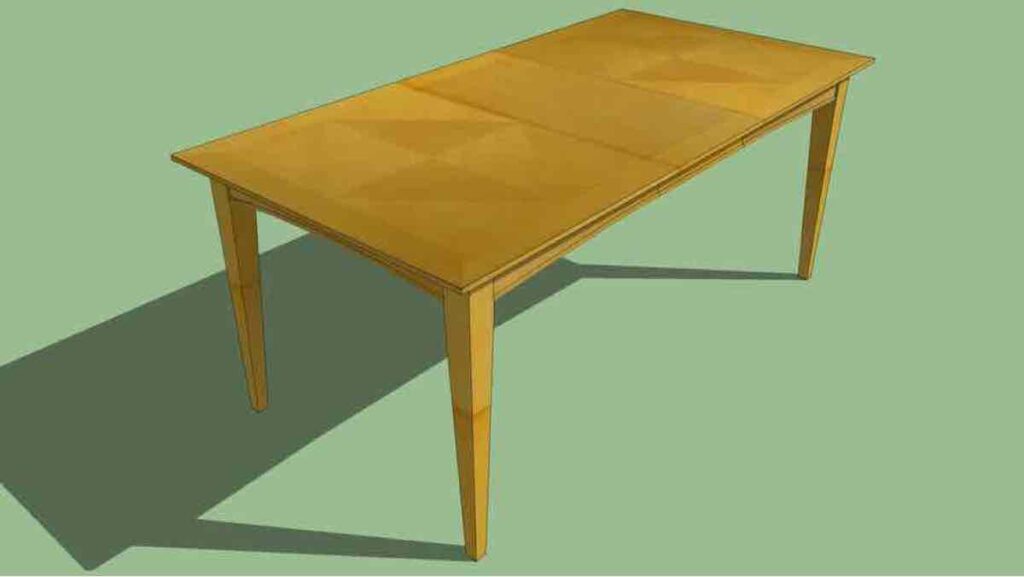
    Dining table pdf freewoodworkingplan.com

    ```html
    Introduction: Building Your Own Dining Table Creating a dining table is a rewarding woodworking project. This step-by-step guide will walk you through the process, from choosing your materials to applying the final finish. We'll focus on a simple, sturdy design perfect for beginners and experienced woodworkers alike.
    Step 1: Planning and Design
  • Determine the size: Decide how many people you want to seat regularly, and occasionally. A good rule of thumb is to allow 24 inches of width per person and 12-14 inches of depth.
  • Choose your materials: Popular choices include pine, oak, maple, and walnut. Consider the cost, durability, and aesthetic appeal of each. For legs, you can use pre-made legs or create your own.
  • Create a sketch: Draw a simple sketch of your table, including the dimensions of the tabletop, legs, and apron (the frame that connects the legs to the tabletop). This will help you visualize the project and estimate the amount of lumber you need.
  • Gather your tools: You'll need a table saw (or circular saw with a straight edge), drill, sander, measuring tape, clamps, wood glue, screws, and safety glasses.
  • Step 2: Preparing the Tabletop
  • Cut the lumber: Cut the boards for the tabletop to the desired length. If you're using multiple boards, ensure they are all the same thickness.
  • Joint the edges: Use a jointer (or a hand plane) to create perfectly straight and square edges on each board. This is crucial for a tight glue-up.
  • Glue and clamp: Apply wood glue evenly to the edges of the boards and clamp them together tightly. Ensure the boards are aligned flush and square. Wipe away any excess glue.
  • Let it dry: Allow the glue to dry completely, typically 24 hours, according to the glue manufacturer's instructions.
  • Flatten and sand: Once the glue is dry, remove the clamps. Use a hand plane or belt sander to flatten the tabletop. Then, sand the surface smooth, starting with a coarse grit (e.g., 80-grit) and progressing to finer grits (e.g., 120-grit, 220-grit).
  • Step 3: Building the Apron
  • Cut the apron pieces: Cut the apron pieces to the required length. The apron typically runs along the underside of the tabletop and provides structural support.
  • Attach the apron: Apply wood glue to the edges of the apron pieces and clamp them to the underside of the tabletop, forming a rectangle. Use screws to secure the apron to the tabletop. Countersink the screws to prevent them from protruding.
  • Ensure squareness: Check that the apron is square before the glue dries. Use a carpenter's square to verify that the corners are 90 degrees.
  • Step 4: Attaching the Legs
  • Prepare the legs: If you're making your own legs, cut them to the desired length and shape. If you're using pre-made legs, ensure they are properly prepared for attachment.
  • Attach the legs: Attach the legs to the corners of the apron using wood glue and screws or bolts. Ensure the legs are securely fastened and aligned properly. Some prefer using metal brackets for extra stability.
  • Reinforce if needed: Consider adding corner blocks inside the apron to provide additional support to the legs. These blocks are glued and screwed into place.
  • Step 5: Sanding and Finishing
  • Final sanding: Sand the entire table, including the tabletop, apron, and legs, to create a smooth and even surface. Use fine-grit sandpaper (e.g., 220-grit) for the final sanding.
  • Apply finish: Choose your desired finish. Options include varnish, polyurethane, lacquer, or oil. Apply the finish according to the manufacturer's instructions. Multiple coats may be required, with light sanding between coats.
  • Let it dry: Allow the finish to dry completely before using the table.
  • Conclusion: Enjoy Your New Dining Table Congratulations! You've successfully built your own dining table. Take pride in your craftsmanship and enjoy many meals around your handmade creation. Remember to maintain the table by cleaning it regularly and applying a fresh coat of finish as needed.
    ```

    Dining Table Pdf

    Dining table pdf freewoodworkingplan.com

    Dining Table Pdf

    Dining table pdf freewoodworkingplan.com

    Dining Table Pdf

    Dining table pdf freewoodworkingplan.com
    Read More..

    Kamis, 21 Agustus 2025

    Heavy duty workbench industrial pegboard workstation www.wallcontrol.com

    Opening: Creating a Functional and Organized Workspace Tired of clutter and disorganization in your workshop? A well-designed workbench with a pegboard can revolutionize your workspace. This guide will walk you through building a sturdy and practical 84+ inch workbench with an integrated pegboard, providing ample storage and work surface. This project is suitable for intermediate DIYers and will require some basic carpentry skills and tools.
    Materials and Tools: Gathering Your Supplies Before you begin, gather the necessary materials and tools. This will save you time and frustration during the building process.
  • Lumber:
  • (2) 4x4 posts (8 ft length): For the workbench legs.
  • (4) 2x4 boards (8 ft length): For the frame and supports.
  • (1) Sheet of ¾ inch plywood (4ft x 8ft): For the workbench top.
  • (1) Sheet of ¼ inch pegboard (4ft x 8ft): For tool organization.
  • (1) 1x4 board (8 ft length): For trim and edging.
  • Hardware:
  • 3-inch wood screws: For assembling the frame and attaching the top.
  • 1 ¼-inch wood screws: For attaching the pegboard and trim.
  • Pegboard hooks: Assorted hooks to organize your tools.
  • Wood glue: For strengthening joints.
  • Tools:
  • Circular saw or table saw: For cutting lumber.
  • Drill/Driver: For screwing pieces together.
  • Measuring tape: For accurate measurements.
  • Level: To ensure the workbench is level.
  • Square: To ensure corners are square.
  • Sander: For smoothing rough edges.
  • Safety glasses: For eye protection.
  • Hearing protection: To protect your ears.
  • Clamps: To hold pieces together while gluing and screwing.
  • Step 1: Building the Workbench Frame Begin by constructing the workbench frame. This provides the foundation for the entire structure.
  • Cut the 2x4 lumber to the following lengths:
  • (2) 84 inches: For the long sides of the frame.
  • (2) 24 inches: For the short sides of the frame.
  • (3) 24 inches: For the internal supports (spaced evenly).
  • Assemble the frame:
  • Apply wood glue to the joints.
  • Securely screw the 2x4s together using 3-inch wood screws, creating a rectangular frame.
  • Ensure the frame is square using a square tool.
  • Install the three internal 2x4 supports, spaced evenly along the 84-inch length, using glue and screws. This will add strength and prevent sagging.
  • Step 2: Attaching the Legs Attach the 4x4 legs to the frame. These provide the necessary height and stability to the workbench.
  • Cut the 4x4 posts to the desired height of the workbench. A standard height is 36 inches, but adjust as needed for your comfort.
  • Position the legs:
  • Apply wood glue to the top of each leg.
  • Attach the legs to the inside corners of the frame, flush with the top.
  • Secure the legs: Use 3-inch wood screws to attach the legs to the frame. Drive the screws through the 2x4 frame into the 4x4 legs.
  • Step 3: Creating and Attaching the Workbench Top The workbench top provides the primary work surface.
  • Cut the plywood:
  • Cut the ¾ inch plywood to 28 inches x 84 inches. This will provide a slight overhang on all sides of the frame.
  • Attaching the top:
  • Apply wood glue to the top of the frame.
  • Center the plywood top on the frame, ensuring an equal overhang on all sides.
  • Secure the top using 3-inch wood screws, driving them through the plywood into the frame. Space the screws every 6-8 inches.
  • Step 4: Installing the Pegboard The pegboard provides convenient tool storage.
  • Cut the pegboard:
  • Cut the ¼ inch pegboard to the desired height and width. Consider making it the same width as the workbench (84 inches) and approximately 24 inches high.
  • Mounting the pegboard:
  • Attach the pegboard to the back of the workbench, above the work surface. You might need to add a 2x4 frame behind the pegboard for support and to allow space for the hooks.
  • Use 1 ¼-inch wood screws to secure the pegboard to the frame. Ensure the screws are countersunk to avoid damaging tools.
  • Step 5: Adding Trim and Finishing Touches Adding trim enhances the appearance and protects the edges of the workbench.
  • Adding trim:
  • Cut the 1x4 board to create trim pieces for the edges of the workbench top.
  • Attach the trim using wood glue and 1 ¼-inch wood screws.
  • Sanding and finishing:
  • Sand all surfaces of the workbench to smooth any rough edges.
  • Apply a finish of your choice, such as varnish, polyurethane, or paint, to protect the wood and enhance its appearance. Allow the finish to dry completely before using the workbench.
  • Conclusion: Enjoying Your New Workbench Congratulations! You have successfully built a sturdy and functional 84+ inch workbench with a pegboard. This workbench will provide a dedicated space for your projects, keeping your tools organized and within easy reach. Customize your pegboard with various hooks and holders to suit your specific needs. Enjoy your newly organized and efficient workspace!

    Heavy Duty Workbench Industrial Pegboard Workstation

    Heavy duty workbench industrial pegboard workstation www.wallcontrol.com

    Heavy Duty Workbench Industrial Pegboard Workstation

    Heavy duty workbench industrial pegboard workstation www.wallcontrol.com

    Red Pegboard Workbench For Any Craftsman

    Red pegboard workbench for any craftsman www.wallcontrol.com
    Read More..

    Rabu, 20 Agustus 2025

    The secrets to happy children www.angelibebe.com

    Introduction: The Toy Tamer A DIY Storage Bench
    Tired of tripping over toys? This step-by-step guide will help you build a stylish and functional toy storage bench with drawers and a comfortable cushion. Not only will it declutter your space, but it also provides extra seating for kids and adults alike. Get ready to transform your messy playroom or living room into an organized haven!
    Materials & Tools: Your Arsenal of Creation
    Before you begin, gather these essential materials and tools:
  • Lumber (plywood, MDF, or solid wood – choose your preference based on budget and desired aesthetic) for the bench frame, drawer boxes, and drawer fronts.
  • Wood screws (various sizes).
  • Wood glue.
  • Sandpaper (various grits).
  • Paint, stain, or varnish (your choice of finish).
  • Drawer slides (ensure they are the appropriate length for your drawer dimensions).
  • Drawer pulls or knobs.
  • Foam cushion (cut to size for the bench top).
  • Fabric for the cushion cover.
  • Staple gun and staples.
  • Measuring tape.
  • Pencil.
  • Saw (circular saw, table saw, or hand saw).
  • Drill and drill bits.
  • Screwdriver.
  • Clamps.
  • Square.
  • Sewing machine (optional, for cushion cover).
  • Scissors.
  • Step 1: Planning and Measuring – The Foundation of Success
    Start by determining the desired dimensions of your toy storage bench. Consider the available space and the amount of storage you need. Draw a detailed plan or sketch, including the overall dimensions, the number of drawers, and the size of each component. Precise measurements are crucial for a professional-looking result. Remember to account for the thickness of the lumber you're using.
    Step 2: Cutting the Lumber – Precision is Key
    Using your measurements and plan, carefully cut all the necessary lumber pieces for the bench frame, drawer boxes, and drawer fronts. Take your time and double-check your measurements before each cut. Safety first! Wear appropriate safety gear, such as safety glasses and ear protection. Ensure clean, straight cuts for a seamless assembly.
    Step 3: Assembling the Bench Frame – Building the Backbone
    Begin assembling the bench frame using wood glue and screws. Clamp the pieces together to ensure a tight and secure bond. Use a square to check that all corners are perfectly square. Allow the glue to dry completely before proceeding to the next step. This forms the sturdy foundation for your bench.
    Step 4: Constructing the Drawer Boxes – Storage Solutions Take Shape
    Assemble the drawer boxes using wood glue and screws, similar to the frame. Ensure the drawer boxes are the correct size to fit within the frame openings. Again, clamping and a square are your friends. Check for squareness and allow the glue to dry completely before moving on. Consistency is key to smooth-operating drawers.
    Step 5: Installing Drawer Slides – Glide to Glory
    Install the drawer slides onto the bench frame and the drawer boxes, following the manufacturer's instructions. Ensure the slides are aligned correctly for smooth and effortless drawer operation. Precision at this stage is vital for a high-quality finished product. Double-check the alignment before fully tightening the screws.
    Step 6: Attaching Drawer Fronts – Adding Style and Personality
    Attach the drawer fronts to the drawer boxes using screws. You may want to use temporary adhesive or clamps to hold the drawer fronts in place while you secure them with screws. Ensure the drawer fronts are flush with the bench frame for a clean and professional look. Consider using decorative hardware to enhance the overall aesthetic.
    Step 7: Sanding and Finishing – Smooth Sailing to Perfection
    Sand all surfaces of the bench and drawers, starting with a coarser grit sandpaper and gradually moving to finer grits. This will create a smooth and even surface for finishing. Apply your choice of paint, stain, or varnish, following the manufacturer's instructions. Allow the finish to dry completely before moving on to the next step. Multiple coats may be necessary for optimal durability and appearance.
    Step 8: Creating the Cushion – Comfort is King
    Wrap the foam cushion with the fabric you've chosen, ensuring a snug and wrinkle-free fit. Use a staple gun to secure the fabric to the underside of the foam. If you're using a sewing machine, you can create a custom-fitted cushion cover with zippers or ties for easy removal and cleaning. Ensure the cushion is securely attached to the bench top using adhesive or Velcro strips.
    Step 9: Adding Hardware and Final Touches – The Devil is in the Details
    Install the drawer pulls or knobs onto the drawer fronts. Inspect the entire bench for any imperfections and make any necessary touch-ups. Ensure all screws are tightened and all surfaces are smooth. Add any decorative elements or accessories to personalize your creation.
    Conclusion: Your Toy Storage Bench is Complete!
    Congratulations! You've successfully built a beautiful and functional toy storage bench with drawers and a cushion. Now you can enjoy a clutter-free space and a comfortable seating area. Your kids will love having a dedicated place to store their toys, and you'll appreciate the added organization and style it brings to your home. Time to sit back, relax, and admire your handiwork!

    Parents Think Their Kids Are The Most Fun At The Age Of 5

    Parents think their kids are the most fun at the age of 5 abc7.com

    7 Tips For Raising Caring Kids — Making Caring Common

    7 tips for raising caring kids — making caring common mcc.gse.harvard.edu

    The Secrets To Happy Children

    The secrets to happy children www.angelibebe.com
    Read More..

    Selasa, 19 Agustus 2025

    100,000+ best wall photos · 100% free download · pexels stock photos www.pexels.com

    Introduction: The Wall-Mounted Display Shelf Elevate Your Space A wall-mounted display shelf is a fantastic way to add storage and visual appeal to any room. It's perfect for showcasing artwork, plants, books, collectibles, or simply organizing everyday items. This DIY guide will walk you through the process of creating a simple yet stylish wall-mounted shelf that you can customize to fit your specific needs and décor.
    Materials and Tools: Gathering Your Supplies Before you begin, ensure you have all the necessary materials and tools. This will streamline the building process and prevent frustrating interruptions. Here's a list of what you'll need:
  • Wood planks (the size and quantity will depend on your desired shelf dimensions)
  • Wood screws (appropriate length for the thickness of your wood)
  • Wood glue
  • Sandpaper (various grits, from coarse to fine)
  • Wood stain or paint (optional, for finishing)
  • Polyurethane or varnish (optional, for sealing)
  • Measuring tape
  • Pencil
  • Drill with drill bits (including a countersink bit)
  • Screwdriver
  • Clamps
  • Level
  • Stud finder (to locate wall studs for secure mounting)
  • Safety glasses
  • Dust mask
  • Step 1: Planning and Cutting the Wood First, decide on the dimensions of your shelf: length, width, and depth. Consider the space where you'll be mounting the shelf and what items you plan to display. Once you have your measurements, carefully cut the wood planks to the desired sizes. You'll typically need planks for the shelf surface, the sides, and potentially a back piece depending on your design.
    Step 2: Assembling the Shelf Frame Apply wood glue to the edges of the side pieces that will connect to the shelf surface. Position the side pieces onto the shelf surface, ensuring they are aligned correctly. Use clamps to hold the pieces firmly together while the glue dries. Allow the glue to dry completely, usually for at least 24 hours.
    Step 3: Reinforcing the Joints with Screws After the glue has dried, reinforce the joints with wood screws. Drill pilot holes through the side pieces and into the shelf surface. Use a countersink bit to create a recess for the screw heads, ensuring they are flush with the surface of the wood. Drive the screws into the pilot holes, securing the side pieces to the shelf surface.
    Step 4: Sanding and Preparing for Finishing Once the frame is assembled and the glue and screws are dry, sand all surfaces of the shelf, starting with a coarse grit sandpaper to remove any imperfections and then moving to finer grits for a smooth finish. Pay close attention to the edges and corners. Wipe away any sanding dust with a clean cloth.
    Step 5: Applying Stain or Paint (Optional) If desired, apply wood stain or paint to the shelf. Follow the manufacturer's instructions for application and drying times. Apply multiple thin coats for a more even finish. Allow each coat to dry completely before applying the next.
    Step 6: Sealing the Shelf (Optional) To protect the finish and make the shelf more durable, apply a coat of polyurethane or varnish. This will also make the shelf easier to clean. Again, follow the manufacturer's instructions for application and drying times. Apply multiple thin coats for best results.
    Step 7: Mounting the Shelf to the Wall Use a stud finder to locate wall studs. These are the strongest points for mounting the shelf. Mark the location of the studs on the wall. Hold the shelf against the wall at the desired height and mark the positions for the mounting screws. Drill pilot holes into the wall at the marked locations, ensuring they are aligned with the studs. Attach the shelf to the wall using appropriate screws. Use a level to ensure the shelf is mounted straight. If you cannot locate studs, use appropriate wall anchors for the weight your shelf will support.
    Conclusion: Enjoy Your New Wall-Mounted Display Shelf Congratulations! You've successfully built and installed a wall-mounted display shelf. Now you can proudly showcase your favorite items and add a personal touch to your space. Remember to regularly check the mounting hardware to ensure the shelf remains securely attached to the wall.

    Trump Claims His Wall Is Being Built. It's Just A Replacement Of Old Barriers.

    Trump claims his wall is being built. it's just a replacement of old barriers. www.nytimes.com

    File:concrete Wall.jpg

    File:concrete wall.jpg commons.wikimedia.org

    100,000+ Best Wall Photos · 100% Free Download · Pexels Stock Photos

    100,000+ best wall photos · 100% free download · pexels stock photos www.pexels.com
    Read More..