

 www.woodsmithplans.com ```html
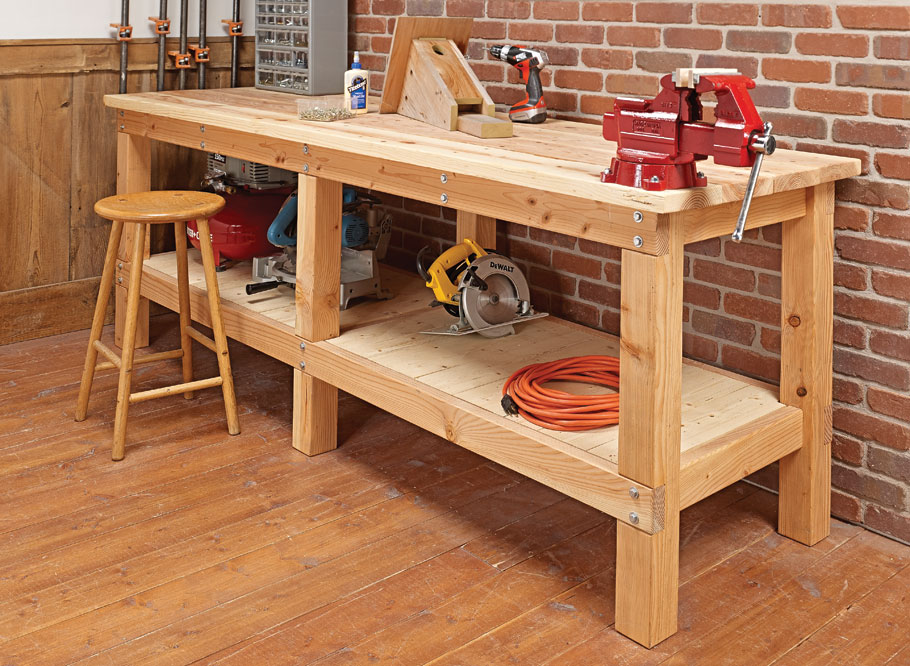
 Introduction: Building Your Own Workbench Creating your own workbench is a rewarding project for any DIY enthusiast or woodworker. Not only does it save you money, but it also allows you to customize the bench to perfectly fit your needs and workspace. This step-by-step guide will walk you through the process of building a sturdy and functional workbench.
Step 1: Planning and Design Before you start cutting wood, it's crucial to have a solid plan. Consider the following:
- Size: How big do you need your workbench to be? Measure your available space and consider the types of projects you'll be working on. A common size is 6 feet long, 2 feet wide, and 3 feet tall.
- Materials: Decide what kind of wood you want to use. Pine is a budget-friendly option, while hardwood like maple or oak will provide greater durability.
- Features: Think about what features you want your workbench to have. Do you need a vise, drawers, shelves, or dog holes?
- Draw a sketch: Create a simple sketch of your workbench with dimensions. This will help you visualize the project and ensure you have enough materials.
Step 2: Gathering Materials and Tools Once you have a plan, gather all the necessary materials and tools. Here's a list of common items:
- Wood (amount and type depend on your design)
- Screws (various sizes)
- Wood glue
- Measuring tape
- Pencil
- Saw (circular saw, miter saw, or hand saw)
- Drill/Driver
- Clamps
- Safety glasses
- Hearing protection
- Square
- Sander (optional)
- Vise (optional)
Step 3: Cutting the Wood Carefully cut all the wood pieces according to your plan. Double-check your measurements before each cut to avoid errors. Label each piece as you cut it to keep track of them.
Step 4: Assembling the Frame Start by assembling the frame of the workbench. This typically involves joining the legs, stretchers, and aprons.
- Apply wood glue to the joints.
- Clamp the pieces together.
- Secure the joints with screws.
- Use a square to ensure the frame is square.
Step 5: Attaching the Top Once the frame is assembled, attach the top.
- If your top is made of multiple boards, glue and clamp them together first to form a solid surface.
- Once the glue is dry, sand the top smooth.
- Attach the top to the frame with screws, driving them up from the inside of the frame.
Step 6: Adding Features (Optional) Now is the time to add any optional features you planned for, such as a vise, drawers, or shelves. Follow the manufacturer's instructions for installing a vise. For drawers and shelves, build separate boxes and attach them to the frame with screws.
Step 7: Sanding and Finishing Sand the entire workbench to smooth out any rough edges or imperfections. Apply a finish of your choice, such as varnish, polyurethane, or oil. This will protect the wood and make the workbench more durable.
Conclusion: Enjoy Your New Workbench Congratulations! You've built your own workbench. With a little planning and effort, you've created a sturdy and functional workspace that will serve you for years to come. Now it's time to put it to use and start building!
``` Mysql :: Mysql Workbench
 www.mysql.com
 Husky 4 Ft. Solid Wood Top Workbench With Storage-g4801s-us
 www.homedepot.com
 Heavy-duty Plank Workbench
www.woodsmithplans.com


0 komentar:
Posting Komentar