

 www.woodsmithplans.com
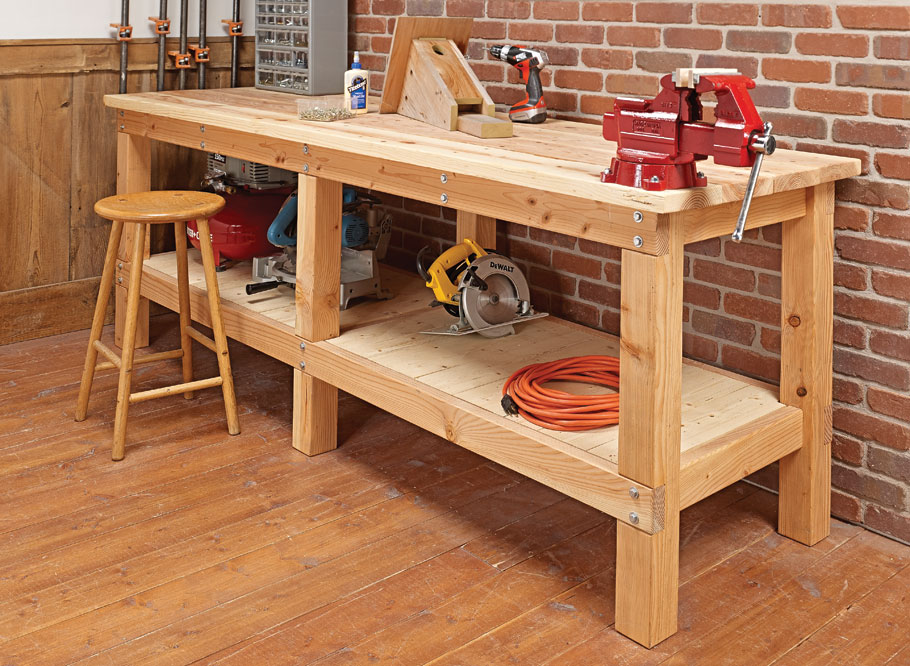
 Introduction: A Workbench Revolution Building your own workbench offers unparalleled customization to fit your specific needs and space. This guide will walk you through constructing a sturdy and functional workbench featuring a built-in power strip, adding convenience and organization to your workspace. Prepare for a project that combines woodworking skills with practical electrical integration.
Materials and Tools: Gathering Your Arsenal Before diving in, ensure you have all the necessary materials and tools. This will save you time and frustration later. Here's a comprehensive list: Lumber: 2x4s (for the frame and legs), plywood or solid wood for the workbench top and shelves. Determine the amount based on your desired workbench size. Screws: Various sizes of wood screws for assembling the frame and attaching the top. Wood Glue: For added strength in the joints. Power Strip: Choose a power strip with the appropriate number of outlets and surge protection. Cable Staples/Clamps: To secure the power cord neatly. Electrical Box (Optional): To house the power strip for a cleaner look. Safety Glasses: Essential for protecting your eyes. Measuring Tape: Accuracy is key. Pencil: For marking measurements. Circular Saw or Table Saw: For cutting the lumber to size. Drill/Driver: For driving screws. Clamps: To hold pieces together while the glue dries. Sandpaper: For smoothing rough edges. Wire Strippers/Crimpers (If wiring an electrical box): For safely working with electrical wires. Level: To ensure the workbench is stable.
Step 1: Designing and Planning Your Workbench Start by determining the dimensions of your workbench. Consider the space you have available and the types of projects you'll be working on. Sketch out a design, including the placement of the power strip and any shelves. A detailed plan will prevent errors and ensure a smooth build.
Step 2: Building the Frame Cut the 2x4s according to your plan to create the frame. Use wood glue and screws to assemble the frame. Ensure all corners are square and secure. Clamps will be your best friend during this process. Consider adding cross braces for extra stability, especially if you plan on working with heavy materials.
Step 3: Constructing the Legs Cut four 2x4s to the desired height of your workbench. Attach the legs to the inside corners of the frame using wood glue and screws. Again, ensure everything is square and level. Reinforce the leg joints with additional bracing if needed.
Step 4: Adding Shelves (Optional) If your design includes shelves, cut the plywood or solid wood to the appropriate sizes. Attach the shelves to the frame using wood glue and screws. Consider adding supports underneath the shelves for extra weight capacity.
Step 5: Creating the Workbench Top Cut the plywood or solid wood for the workbench top to the desired size. Attach the top to the frame using wood glue and screws. Ensure the top is flush with the frame. You may want to apply multiple layers of plywood for added thickness and durability.
Step 6: Integrating the Power Strip Decide where you want to mount the power strip. If using an electrical box, install it securely to the frame. Carefully route the power strip's cord and secure it using cable staples or clamps. If wiring the power strip directly to the electrical box (this requires electrical knowledge and should be done with caution and only if you are qualified), ensure all connections are properly insulated and grounded. If you are uncomfortable working with electrical wiring, consult a qualified electrician.
Step 7: Sanding and Finishing Sand all surfaces of the workbench to smooth any rough edges. Apply a finish, such as polyurethane or varnish, to protect the wood and enhance its appearance. Allow the finish to dry completely before using the workbench.
Step 8: Final Touches and Testing Inspect the workbench for any loose screws or uneven surfaces. Level the workbench by adjusting the feet (if applicable). Test the power strip to ensure it is working correctly. Organize your tools and materials on the workbench and shelves.
Conclusion: Your Powerhouse Workbench is Ready Congratulations! You've successfully built a sturdy and functional workbench with a built-in power strip. This customized workspace will enhance your productivity and organization, making your projects more enjoyable and efficient. Enjoy your new workbench!
14 Super-simple Workbenches You Can Build — The Family Handyman
 www.familyhandyman.com
 14 Super-simple Workbenches You Can Build — The Family Handyman
 www.familyhandyman.com
 Heavy-duty Plank Workbench
www.woodsmithplans.com


0 komentar:
Posting Komentar